How Gas Pump Skimmers Get Your Credit Card Number and What You Can Do
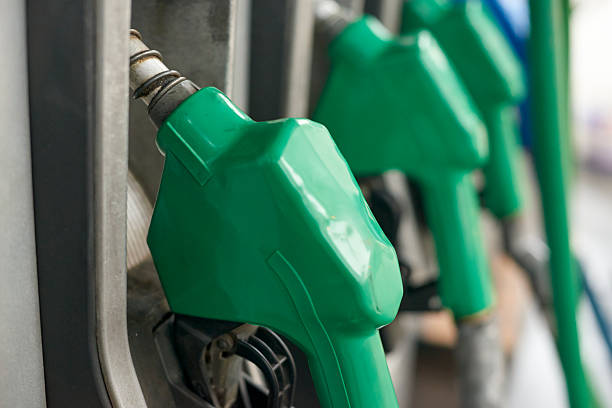
Skimmers are small card readers that criminals install on top of or inside legitimate payment terminals. At a gas pump, they often fit over the existing card slot so smoothly that you would never notice. A second device, usually a tiny camera or a fake PIN pad overlay, captures your personal identification number. With both the magnetic stripe data and your PIN, the thief can clone your card and use it at ATMs or retail stores. Because gas pumps are outdoors, unattended for long periods, and have outdated security features, they are prime targets.
The Federal Trade Commission estimates that skimming costs consumers and financial institutions over one billion dollars each year. But the real cost to you is more than just money. Once your card is compromised, you have to cancel it, wait for a replacement, argue with your bank over disputed charges, and worry about who else might have your information. For people in their fifties and sixties who built a solid credit history over decades, a single skimming incident can create headaches that last for months.
Crooks are not just after your credit card number. Many skimmers now also steal the data from the chip on your card. While chip cards are harder to clone than magnetic stripes, criminals have found ways to intercept the transaction data and use it for card-not-present fraud online. They also target debit cards because the PIN gives them immediate access to cash. A skimmer at a gas pump can be set up in under thirty seconds. Thieves often work in teams. One person distracts the attendant or pretends to fix a pump while another installs the device.
So how do you protect yourself? The first step is to avoid using debit cards at the pump whenever possible. A credit card offers better fraud protection under federal law. You are not liable for unauthorized charges if you report them promptly, whereas debit card fraud can drain your checking account and take weeks to recover. If you must use a debit card, run it as credit rather than entering your PIN. That way the transaction is processed without exposing your PIN to a hidden camera.
Look at the card reader before you insert anything. If it feels loose, sticks out too far, or has mismatched colors or textures, do not use that pump. The same goes for the PIN pad. If the buttons are hard to press or the overlay seems thicker than normal, find another station. Many skimmers are installed on pumps that are farthest from the store’s front windows, because attendants cannot easily see them. Choose pumps that are in full view of the cashier.
Another simple habit is to tug gently on the card reader before you swipe. A well-installed skimmer will be attached with double-sided tape or zip ties, and it might come loose with a firm pull. Do not force anything, but a quick check can save you a lot of trouble. Also, always check the security tape or seal on the pump panel. Legitimate gas stations place tamper-evident stickers over the cabinet door. If the seal is broken, torn, or says “void,” report it to the station manager immediately.
Pay inside whenever possible. Handing your card to the attendant is far safer than swiping at an outdoor terminal. Thieves cannot install a skimmer on the counter inside because the staff would notice. And if you use contactless payment like tapping your phone or card, that is even better. Near-field communication (NFC) transactions are encrypted and much harder to intercept than magnetic stripe swipes.
Finally, monitor your accounts closely. Do not wait for a monthly statement. Set up text or email alerts for any transaction over a small amount, say ten dollars. Check your bank and credit card activity online at least once a week. The faster you spot a fraudulent charge, the quicker you can stop the damage. If you see a charge you do not recognize, call your bank immediately. Do not assume it is a temporary error.
Gas pump skimming is not going away. Criminals are constantly refining their methods, and older pumps that lack encryption will remain vulnerable for years. But you can stay ahead by staying skeptical, paying attention to the physical details of the pump, and choosing safer payment methods. A few seconds of caution at the gas station can keep your credit card number out of the hands of thieves who are counting on your haste.
Scam Watch
Protect it before they take it.

The Password Extortion Scam: How to Spot and Stop Digital Blackmail
How to Spot a Dishonest Mortgage Broker Before You Sign