Gas Pump Skimmers: How Thieves Steal Your Card Data and What to Do About It
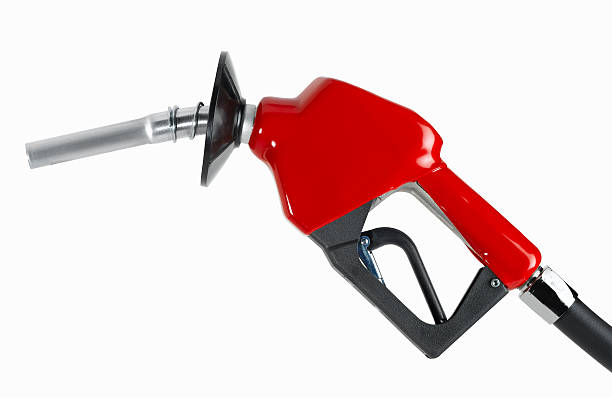
A skimmer is a tiny electronic reader that thieves install inside a gas pump, directly over the factory-installed card reader. It sits between your card and the pump’s real electronics. When you swipe, the skimmer records the magnetic stripe data. If the pump also has a hidden pinhole camera or a fake keypad overlayer, they grab your PIN too. Once the thief retrieves the skimmer—often just hours later—they clone your card and go shopping, or sell your data in bulk on dark web forums. You don’t know anything is wrong until you see a $200 charge at a electronics store in another state or a $60 fill‑up at a station you’ve never visited.
Why do these scams still work? Because banks have been slow to adopt chip technology at the pump. Most gas stations in the United States still rely on the old magnetic stripe for card payments. The chip card you carry in your wallet offers far better security, but until every pump accepts it, the stripe remains a soft target. And thieves know that middle‑aged drivers are creatures of habit. You stop at the same station on your commute, you swipe without thinking, and you rarely check the pump’s physical appearance. That trust is exactly what skimmers exploit.
You can spot a skimmer before you swipe. Look at the card reader closely. Does it stick out farther than the others? Is the color slightly off? Does it wobble when you touch it? Genuine pump hardware is flush, firmly attached, and matches the rest of the unit. Give the reader a gentle tug. Skimmers are often held on with double‑sided tape and can be pulled loose. Also check the keypad. A fake overlay will feel spongy or loose, and the numbers may be misaligned. If anything seems off, use a different pump or pay inside.
Criminals also target pumps at the back of the station, away from the cashier’s line of sight. They install the skimmer late at night, retrieve it before dawn, and move on. Look for tamper‑evident security tape on the pump door. Many stations now put a bright green or red sticker over the cabinet seal. If that sticker is broken, torn, or says “void,” the pump has likely been opened by someone who wasn’t a technician. Don’t use it. And if you see a pump with the door slightly ajar or the panel loose, report it to the station attendant immediately.
Even if you take every precaution, skimmers can still get past you. That’s why you need to monitor your credit and debit card activity every few days. Do not wait for the monthly statement. Log in to your bank’s app or website and scan for small test charges—often $1 or less—that criminals use to check if the card is active. Then look for larger, unfamiliar purchases. If you see anything suspicious, call your bank right away. Under federal law (Regulation E for debit, the Fair Credit Billing Act for credit), your liability for unauthorized charges is limited if you report them within 60 days. Many issuers offer zero‑liability policies. But the key is speed. The longer you wait, the harder it is to get your money back.
One more thing: do not use your debit card at the pump if you can avoid it. Debit cards pull money directly from your checking account. If a thief drains your account, you could be without rent money for days or weeks while the bank investigates. A credit card, on the other hand, is borrowing someone else’s money. You can dispute the charge and not pay that portion of the bill while the bank sorts it out. If you must use debit, choose “credit” at the pump so you bypass PIN entry and stay covered by the card network’s fraud protection. Better yet, pay with a contactless tap‑and‑go card or a mobile wallet like Apple Pay. Those generate a unique token for each transaction, making your real card number worthless to a skimmer.
Gas pump skimmers are a low‑tech crime with high‑tech consequences. They rely on your inattention and on outdated payment infrastructure. But you don’t have to be a victim. Check the pump, pay inside, use credit instead of debit, and review your charges often. If something feels wrong, trust that feeling. The few extra seconds you spend can save you the hours of phone calls, paperwork, and frustration that come from having your identity and your wallet stolen at the pump.
Scam Watch
Protect it before they take it.

The Debt Settlement Trap: Why You’re Likely to End Up Worse Off
The Promissory Note Trap: When Your “Safe” 12% Return Becomes a Retirement Scam