Lockbox Tampering During Seller Showings
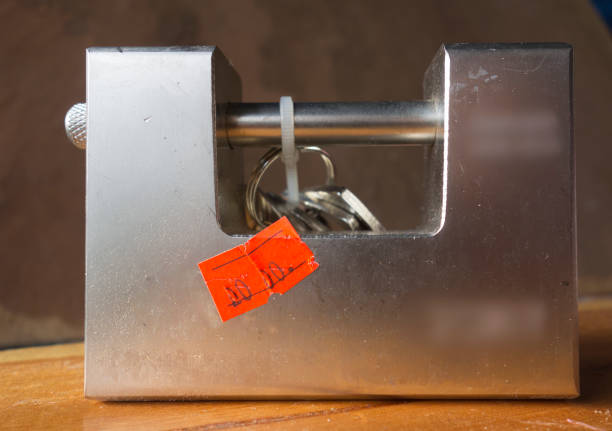
The lockbox system works on trust. Licensed agents receive a unique code or electronic credential to open the box, retrieve the key, show the home, and return everything as found. When that system breaks, it is rarely a random act of mischief. More often, it is a sign that someone in the chain—either your listing agent, the showing agent, or the broker themselves—is not doing their job correctly. For middle-class Americans, this is not a minor annoyance. A tampered lockbox can lead to lost keys, unauthorized entry, stolen property, or even squatters gaining access. And the person you paid to prevent that may be the one enabling it.
How do you spot bad service providers through lockbox behavior? Start with the obvious signs. If your agent uses a lockbox that looks old, battered, or shows signs of forced entry, that is a red flag. A reputable agent uses a tamper-resistant electronic lockbox from a recognized vendor, like those from SentriLock or Supra. These boxes log every opening with a timestamp and agent ID. If your agent hands you a simple combination box with no digital trail, they are saving money at your expense. That is not thriftiness; it is negligence.
Next, watch for inconsistent showing schedules. You should receive a routine of notifications when a showing is scheduled, confirmed, and completed. If you start hearing from neighbors, your security camera, or your own instincts that a showing happened without your knowledge, that is often a sign that someone bypassed the lockbox protocol. An agent who fails to log showings is either disorganized or deliberately hiding something. Either way, they are not serving your interests.
Another tell is a sudden change in lockbox access rules. Some agents will try to “streamline” the process by sharing the lockbox code with multiple unvetted parties, including unlicensed assistants or friends helping with open houses. This is a direct violation of most lockbox agreements and a major security breach. If your agent tells you it is “no big deal,” they are treating your home like a public resource. That is not professionalism; it is laziness.
Lockbox tampering also happens when agents cut corners on maintenance. A lockbox that is not regularly inspected can jam, rust, or become vulnerable to picking. If your agent never mentions checking the box or replacing it before a busy showing weekend, they are neglecting a basic duty. You have the right to ask how often the lockbox is serviced and who has the master access codes. A good agent will answer without hesitation. A bad one will deflect or get defensive.
Finally, pay attention to how your agent reacts when you raise concerns. A trusted professional will take your report seriously, investigate immediately, and if tampering is confirmed, they will report it to their broker and the lockbox company. An unreputable agent will minimize the issue, blame the “system,” or claim it is just a common occurrence. It is not common. It is a breach of the service contract you signed.
For homeowners, prevention starts with asking the right questions before you sign a listing agreement. Insist on a digital lockbox that records access. Ask who will receive the access codes and how they are distributed. Confirm that your agent has a protocol for handling lost or stolen keys. And if you see any sign of tampering—scratches around the key slot, a loose latch, a missing key, or a lockbox that opens without a code—do not let it slide. Document it, report it to the broker, and consider whether you want to continue working with someone who treats your security so casually.
Lockbox tampering is not just a mechanical failure. It is a symptom of a service provider who does not respect the trust you placed in them. In the real estate world, your home is your biggest asset. The person holding the lockbox is supposed to protect it, not expose it. If you spot the signs early, you can cut ties before the damage gets worse. Unreputable agents and brokers thrive on inattention. Do not give them yours.
Scam Watch
Protect it before they take it.


The Recovery Scam: How Con Artists Double-Dip on Pig Butchering Victims
Mechanic's Lien Threat After Shoddy Work