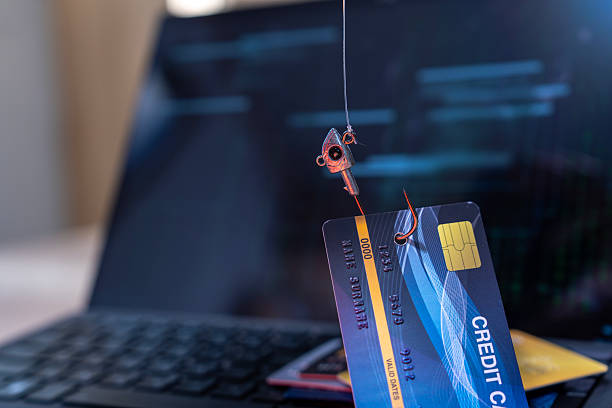
Porch Pirate Insurance That Doesn't Exist
The scam typically starts with a text message or email that appears to come from a well-known shipping company like UPS, FedEx, or the United States Postal Service. You might see a message that says something like “Your package was delivered but we suspect porch piracy. Click here to activate free theft insurance for your next delivery.” Or you might get a voicemail saying your package was “left in an exposed location” and that you need to confirm your coverage immediately. These messages are often sent in the middle of the day, when you might be at work and unable to immediately check your porch. That sense of urgency is the scammer’s ally.
The link in the message does not lead to any real insurance policy. Instead, it takes you to a convincing but fake website that looks exactly like the official page of the shipping company. The page will ask you to enter personal information, such as your full name, address, email, and sometimes even your Social Security number or bank account details to “verify your identity” before activating the coverage. Once you hit submit, your information is in the hands of criminals who will use it for identity theft, creating fake credit cards in your name, or draining your bank account. Alternatively, the scam may simply try to charge you a small “activation fee” of $1.99 or $4.99 for the insurance, which you will never see again, but which wire transfers them direct access to your credit card number.
Why are these scams so effective on middle-class Americans aged 45 to 64? Because this group is both highly likely to order packages online and also likely to be concerned about protecting their assets. They remember a time before online shopping felt risky. They trust shipping companies. And they have probably had a real package stolen or worried about it happening. Scammers exploit that trustworthy veneer. They also know that people in this age range are less likely to click on random links from unfamiliar sources, so they make the messages look official, often spoofing real customer service numbers or using logos stolen from the shipping companies’ websites.
Another variation of this con involves a missed delivery notification. You get a text saying that a package could not be delivered because “no one was home” or “access was blocked.” The message asks you to click a link to reschedule delivery or to set a new drop-off location. But when you click, you are taken to a page that asks for the same kind of personal information. Sometimes the scammer will even call you pretending to be a delivery driver who needs you to “confirm your insurance” over the phone because of a “policy change.” Do not fall for it. Real drivers do not make phone calls like that.
If you receive any message about porch pirate insurance, remember this: no legitimate shipping company offers such a product. Real insurance for package theft is typically offered by the retailer or the payment provider you used, not by the carrier as a standalone add-on triggered by a text. If a package is stolen, you file a claim with the seller or your credit card company, not with a third-party insurance company that contacted you out of the blue. Any message demanding immediate action, threatening a fee, or asking for sensitive data should be treated as a red flag.
To protect yourself, never click links in unsolicited delivery messages. Instead, manually open your browser and go directly to the carrier’s official website or app using the URL you normally use. If you are concerned about porch piracy, consider other real-world solutions: use a package locker, have deliveries sent to your workplace, install a security camera, or ask a neighbor to retrieve deliveries. And never, ever pay for “porch pirate insurance” through a text or email link. That insurance does not exist, and the only thing you are insuring is the scammer’s next payout.
Scam Watch
Protect it before they take it.

The Slow Boil: How Retailers Trick You on Price and Then Sell You the Same Thing Twice
The Sextortion Email Scam: Don’t Let a Bluff Empty Your Bank Account