Medical Identity Theft: How Thieves Use Your Health Records to Steal More Than Your Money
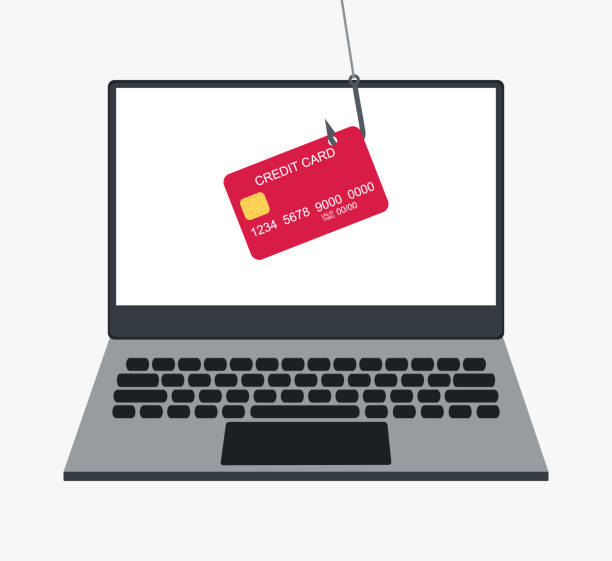
Medical identity theft happens when someone steals your name, date of birth, Medicare number, or health insurance ID to obtain medical care, buy prescription drugs, or submit fraudulent bills to insurers. It often works hand in hand with synthetic identity theft, where criminals mix real information like your Social Security number with fake details to create a whole new person. For example, a thief might take your SSN, combine it with a made-up name and a fake date of birth, then use that synthetic identity to open medical accounts. Since no real person exists to question the records, the scam can go undetected for months or years. By the time you find out, your medical file is a mess of procedures and conditions you never had.
How do these thieves get your health information? The same way they get everything else. Phishing emails that look like they come from your health plan, text messages about a prescription delivery that needs confirmation, phone calls pretending to be from a hospital billing department, and even fake patient portals set up to capture your login details. Seniors and middle-aged Americans are prime targets because they have more established medical histories and often carry insurance with higher coverage limits. Once the thief has your info, they can sell it on the dark web or use it directly.
One of the scariest consequences is the contamination of your medical records. Imagine you go to the emergency room with chest pain, and the doctor pulls up your file. In that file, thanks to the thief, you are listed as a diabetic with high blood pressure and a history of opioid use. The doctor makes decisions based on that false information. You could get the wrong treatment, be denied a procedure, or be flagged as a drug seeker. Even if the mistake is caught later, correcting medical records is a nightmare. Hospitals and insurers often point fingers at each other, and there is no credit bureau for health data.
The financial damage can be just as brutal. If a thief runs up two hundred thousand dollars in medical bills under your name, your insurance company may cut you off or raise your premiums to unaffordable levels. You might start getting calls from debt collectors for bills you never owed. And if the thief uses your information to obtain government benefits like Medicaid, you could be investigated for fraud. The federal government takes health care fraud seriously, and proving you are the victim—not the criminal—can take months of paperwork and legal fees.
So how do you protect yourself? First, treat your health insurance card like a credit card. Do not carry it in your wallet unless you are going to a doctor’s appointment. Make copies and keep the original locked away. Second, read every Explanation of Benefits you get from your insurance company. If you see a claim for a service you did not receive, call your insurer immediately. Do not assume it is a computer error. Third, request your medical records from your primary care doctor once a year. Check for doctor visits, prescriptions, or diagnoses you do not recognize. You have a legal right to your records, and they are free in most cases. Fourth, never give out your Medicare number or health insurance details over the phone unless you initiated the call to a number you trust. Scammers often pose as insurance representatives offering free screenings or new cards.
Fifth, be suspicious of any online offer for free health tests, genetic testing kits, or discount prescription cards. These are common phishing lures. If the deal asks for your insurance ID, hang up or delete the email. Sixth, set up online accounts with your health insurance provider and your Medicare account if you are eligible. Monitor them regularly for changes in your profile or new dependents added to your plan. Seventh, if you receive a bill for medical services you never received, do not pay it. Write a letter disputing the charge and send it to the billing department and your state attorney general’s consumer protection office. Keep copies of everything.
Medical identity theft is not a minor annoyance. It is a sophisticated crime that can damage your health, your finances, and your reputation. The middle-class Americans most likely to be targeted are also the ones who need their medical care to be accurate and reliable. Do not assume your doctor’s office has good security. Do not assume your insurer will catch fraud. You are the only person who will notice the first sign of trouble. Watch your mail. Read your statements. Guard your health information the way you guard your credit card number. Your life might depend on it.
Scam Watch
Protect it before they take it.

Fake Lottery and Sweepstakes Wins: Why You Never Pay to Collect a Prize
The Certified Pre-Owned Mirage: What Dealers Won’t Tell You