Promissory Note Scams: How Unsecured Promises Can Drain Your Retirement Savings
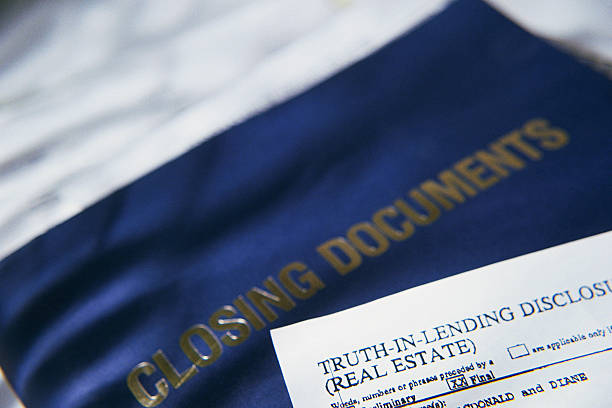
A promissory note is simply a written promise to pay back a loan with interest. In legitimate business, companies issue them all the time. Scammers take that ordinary document and turn it into a weapon. They target people over fifty who have accumulated some savings and are worried about living on a fixed income. The promise of steady, above-market interest with little or no risk is exactly what you want to hear when bond yields are scraping the bottom. That is the bait.
Here is how the typical scheme works. A salesperson reaches you through a cold call, a seminar at a hotel conference room, or even a trusted friend who was already taken in. They offer a promissory note from a company that supposedly has a solid track record in real estate, oil and gas, or some other tangible business. The interest rate is far higher than what a bank or Treasury bond would pay—eight, ten, even twelve percent. The note is short term, often one to three years. They tell you the principal is safe because the company has assets. They may hand you a glossy brochure with fake testimonials and a banker-looking executive’s photo. Everything looks official.
In reality, the company behind the note is either shell corporation or a front for a Ponzi scheme. The assets are nonexistent or massively overvalued. The payments you receive in the first few months are simply other investors’ money being recycled. When the new money dries up, so do the payments. The company files for bankruptcy or disappears, and you are left holding a piece of paper worth nothing. The Securities and Exchange Commission has shut down countless such operations, but new ones pop up as fast as the old ones collapse.
The people who sell these notes are often unlicensed, or they claim an exemption that allows them to bypass normal securities registration. They may call themselves “private placement agents” or “finders.” They rarely disclose that they are earning commissions of ten to fifteen percent on the money you invest. Your $25,000 note means they walked away with $3,750 before your first interest payment was even due. That is not a small fee; it is a built-in loss from day one.
Promissory note scams thrive because they feel familiar. You have signed a note when you bought a car or took out a mortgage. You understand the concept of borrowing and lending. Scammers exploit that comfort. They also exploit your distrust of big banks and Wall Street. “Why let the bank make money on your money?” they ask. “Be your own bank.” It is an appealing idea, but it ignores the reason banks are regulated: because unregulated lending is a minefield of fraud.
Red flags are everywhere once you know what to look for. If the interest rate is significantly higher than what a bank CD or a high-grade corporate bond pays, assume it is a scam until proven otherwise. If the salesperson pressures you to act quickly because “the offering is oversubscribed,” that is a lie designed to short-circuit your thinking. If the note is not registered with the SEC or your state securities regulator, that is a huge warning sign. You can check the SEC’s EDGAR database or call your state securities office. If the person selling the note cannot give you a verifiable address and phone number for the company, walk away. If they promise that the note is insured or guaranteed by a third party that turns out to be a nondescript entity, that guarantee is worthless.
Your age group is the prime target because you have a lump sum from a 401(k) rollover, a pension buyout, or years of disciplined saving. You also have a natural desire to keep that money growing without the stomach-churning volatility of the stock market. Scammers know this. They also know that if you lose money in the market, you blame yourself, but if you lose money to a scam, you are less likely to report it out of embarrassment. Do not let shame silence you. Report suspicious offers to your state attorney general, the SEC, or the FBI’s Internet Crime Complaint Center.
Before you invest a dime in any promissory note, demand written documentation that the note is registered. Verify the company’s existence through independent sources—not the website printed on the brochure. Talk to a fee-only financial planner who has no commission incentive. Run the phone number of the salesperson through a reverse lookup. If the number is a burner, that is your answer. There is no shortcut to due diligence. Your retirement savings are the result of decades of work. One bad promissory note can wipe out a big chunk of that nest egg in a matter of months.
Think of it this way: if a stranger on the street offered you a ten percent return on a loan to his cousin’s business, you would laugh and keep walking. A polished sales pitch in a hotel conference room deserves the same skepticism. The promise of high returns with low risk is the oldest trick in the book. The only difference is the wrapper. Unpeel it, and you find the same rotten core. Protect your retirement by keeping your skepticism sharp and your money in instruments that are transparent, regulated, and boring. Boring is safe. Safe is what you need at this stage of life.
Scam Watch
Protect it before they take it.

Don’t Let a Fake Package Text Cost You Real Money

Ticket Brokers: How Bait-and-Switch and Hidden Fees Cost You Real Money