Synthetic Identity Fraud: The Invisible Theft That Targets Your Social Security Number
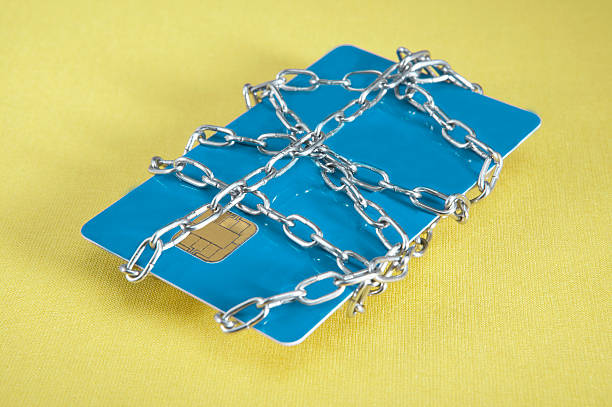
Synthetic identity fraud works like this. A thief takes a real Social Security number, often belonging to a child, a deceased person, or someone who rarely uses credit. That number is then combined with a fake name, a different date of birth, and a made-up address. The result is a synthetic identity a digital ghost that looks legitimate on paper. Over time, the criminal builds a thin credit file for this ghost by applying for small store credit cards or secured loans. They make payments on time, sometimes for months or even years, to establish a history. Then, once the credit score is high enough, they max out multiple accounts and disappear. The lender is left holding the bag, and the real owner of that Social Security number gets the blame.
Why should you care if you are between 45 and 64? Because your Social Security number is likely already in circulation. Data breaches have exposed the numbers of hundreds of millions of Americans. If a criminal pairs your number with a different identity, you may never see a fraudulent charge appear on your statement. Instead, you see a lowered credit score because a ghost with your number defaulted on a loan. Or you apply for a mortgage and get denied because that ghost already has a delinquent account under your number. And because the fraud is synthetic, the credit bureaus often treat it as a legitimate mix-up. Proving you are not the ghost can require months of paperwork and an identity theft report.
The biggest red flag for synthetic fraud is the sudden appearance of accounts you did not open. But because these accounts are opened under different names, they often do not show up when you pull your own credit report using your correct name. You have to check the report for any inquiry or trade line linked to your Social Security number, regardless of the name attached. That means reading the fine print of your credit report, not just the summary. Look for unfamiliar account numbers, unfamiliar names associated with your number, and any activity that does not match your known credit history. You can get one free credit report per year from each bureau at AnnualCreditReport.com. Space them out every four months so you catch problems early.
Prevention starts with locking down that nine-digit number. Freeze your credit with all three major bureaus Equifax, Experian, and TransUnion. A freeze blocks anyone from opening new accounts in your name, including synthetic identities built around your number. It is free and does not affect your existing accounts, but you must lift it temporarily when you apply for credit yourself. Also, do not carry your Social Security card in your wallet. Never give out the number unless you are absolutely certain the request is legitimate. Businesses that ask for it often do not need it. Offer a driver’s license number instead.
Another step is to monitor your Social Security earnings statement. Create an account at ssa.gov and review your reported income each year. If someone uses your number for a job, that earnings appear on your statement, and you can spot it immediately. For parents or guardians of older relatives, check if a child or elderly family member has a credit file. Children are prime targets because their numbers are clean and unused for years. A credit report for a minor should not exist. If you find one, it is a warning sign.
Synthetic identity fraud is not a quick hit. It is a long con that relies on trust and time. The criminals are patient, and they count on you not looking closely enough. The good news is that the same habits that protect you from regular identity theft also protect you from synthetic fraud freeze your credit, check your reports, and guard your Social Security number like a treasure. Do not assume that just because you have not seen a fraudulent charge you are safe. The ghost in your credit file may be quiet today, but it will wake up the moment you need a loan.
The Federal Trade Commission and the Consumer Financial Protection Bureau offer detailed guides on identity theft recovery. If you suspect synthetic fraud, start with a fraud alert on your credit file, then file a report at IdentityTheft.gov. The process is frustrating, but ignoring it is worse. You built your financial life over decades. Do not let a ghost steal it.
Scam Watch
Protect it before they take it.

Pushing You Toward Their Preferred Lender Kickback

Don’t Fall for the Phantom Prize Letter: How Prize Mills Bilk You Out of Your Savings