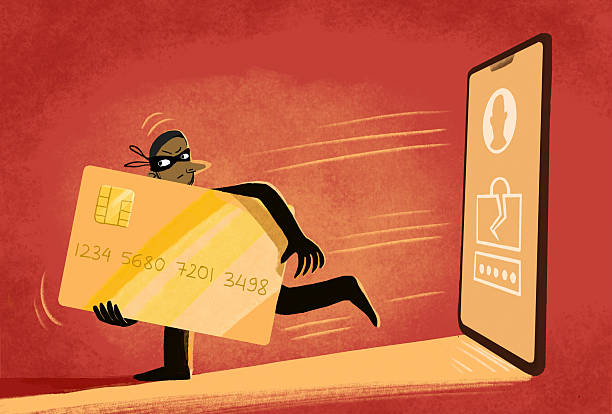
Synthetic Identity Theft: The Silent Scam That Could Ruin Your Credit
Here’s how it works. A thief doesn’t steal your entire identity. Instead, they grab a real Social Security number from someone who doesn’t use it much. That could be a child, an elderly relative, or even a deceased person. Then they make up everything else. A fake name. A fake birthdate. A fake address. They combine that real Social Security number with all that fake personal information to create what’s called a “synthetic identity.” It’s a ghost. It never existed. But to the credit bureaus, it looks like a real person.
The criminals are patient. They don’t rush out and max out a credit card. That would get flagged. Instead, they spend months or even years building up a good credit rating for that ghost. They apply for a store card, buy a pack of gum, pay the bill on time. Then they apply for a bigger card, then a car loan, then a mortgage. The ghost looks like a responsible borrower. Then one day, they borrow as much as they can and disappear. The banks are left holding empty bags. The real person whose Social Security number was used gets blamed for the debt.
That’s where you come in. Let’s say a criminal uses your Social Security number to create a synthetic identity. They give it a fake name, but the credit bureaus have matching algorithms that sometimes merge that ghost profile with your real credit file. Suddenly, you see accounts you never opened. Or you apply for a home loan and get denied because your credit report shows a sudden, enormous debt in some town you never lived in. You might not find out for years, because the ghost pays its bills until the moment it doesn’t. And by then, your credit is wrecked.
Why does this matter for you? Because people in your age group often have excellent credit, paid-off cars, and maybe even a mortgage. You might think you’re safe. But the criminals aren’t after your available credit limit. They’re after your Social Security number. And you hand it out more than you realize. Doctors’ offices. Insurance companies. Your child’s school. When a data breach hits—and they happen constantly—your number can end up for sale on the dark web for pennies. Once a criminal has it, they can build a whole fake life around it.
You also need to worry about the people you love. If you have aging parents or grandchildren, their Social Security numbers are gold mines for synthetic identity thieves. A child’s number is especially valuable because it’s pristine. No credit history. No red flags. The thief can build a perfect credit record over a decade, then cash out when the child turns eighteen and tries to get their first loan. By then, the damage is done. So freezing your own credit is only half the battle. You should also freeze the credit of anyone in your household who isn’t actively using it.
How do you spot synthetic identity theft? Start by checking your credit reports from all three bureaus—Equifax, Experian, and TransUnion—at least once a year. Go to annualcreditreport.com, the only free official site. Don’t use other services that try to sell you products. Look for accounts you don’t recognize, especially ones with slightly different name spellings or addresses you never lived at. Also look for credit inquiries from companies you never applied to. If you see anything suspicious, that’s a red flag.
Your best defense is a credit freeze. Not a fraud alert, not a monitoring service. A freeze. It locks down your credit file so no one can open a new account in your name—real or synthetic. You have to freeze your credit with each of the three bureaus separately. It’s free, and it takes about fifteen minutes total. You can lift it temporarily when you apply for credit yourself. Do the same for your children and any elderly relatives you help manage. It’s the single most effective move you can make.
If you find out your number has been used, act fast. Go to IdentityTheft.gov, the Federal Trade Commission’s site, and file a report. Then contact the credit bureaus to dispute any fraudulent accounts. File a police report with your local department. Not every officer will take it seriously, but you need a paper trail. Then call the Social Security Administration if your number was misused. Keep records of everything. This is a long slog, but you can untangle it.
Synthetic identity theft is not like losing your wallet. You can’t just cancel a card and move on. It’s a slow, system-wide fraud that exploits the gaps in how credit bureaus match information. The only people who can stop it are you, right now, by freezing your credit and staying alert. Don’t assume that because you’re careful with your passwords, you’re safe. The criminals aren’t after your password. They’re after that nine-digit number that you’ve had your whole life. Protect it like your credit depends on it—because it does.
Scam Watch
Protect it before they take it.

The Diagnostic Fee Scam: How Dishonest Repair Shops Profit from Your Ignorance

Fake Delivery Texts and Missed-Package Cons: What Not to Click