The Bank Alert Text That Is Not Your Bank
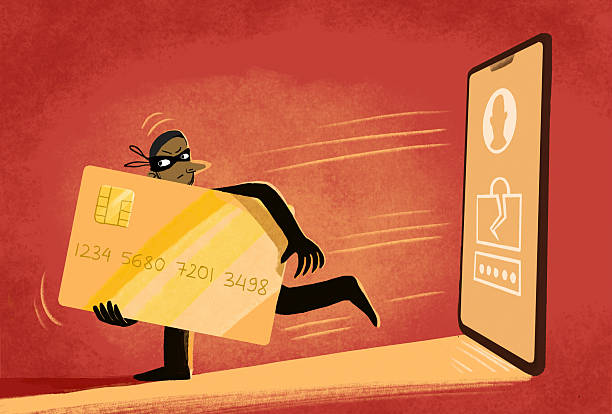
Smishing is text message phishing. It works because your phone feels personal. A call from an unknown number is easy to ignore, but a text gets read. It arrives in the same thread where your actual bank sends legitimate alerts. Scammers know this. They spoof the sender ID so it appears to come from your bank’s short code or a familiar number. The message creates panic. Urgency is their tool. They tell you your debit card is compromised, a wire transfer is pending, or your account is locked. You have minutes to act. So you click.
Clicking the link takes you to a website that looks exactly like your bank’s login page. The logo is there. The fields look right. You type your username and password. You may even enter your security questions or a one-time code. Within seconds, the scammers are inside your real account. They move money, change your contact information, and lock you out. Some versions do not even ask for a login. Instead, they prompt you to download an “app” to verify your identity. That app is malware that grabs everything else on your phone. Other smishing texts claim you won a prize, owe a toll, or have a package stuck at customs. The bank alert angle is the most dangerous because it preys on your fear of losing money.
How do you spot the fake? Look at the phone number. Your real bank sends texts only from a five or six digit short code, never a 10-digit number. Look at the language. Legitimate alerts may be short, but they never demand immediate action with threats of frozen funds. Scammers use phrases like “act now” or “your account will be closed.“ Look at the link. Hover over it or long press without tapping. If the web address is a jumble of letters and numbers, or it ends in something other than your bank’s official domain, it is a trap. Look at the context. You did not just make a large purchase. You did not request a password change. Why would your bank flag activity that never happened?
Your next step is simple. Do not tap. Do not reply. Do not call a number from the text. Delete it. Then, open your banking app directly, the one you already have, or type your bank’s web address yourself. Log in and check for any real alerts. If you want to verify, call the number on the back of your debit card. That is the only safe line. Warn others in your household, because smishing often hits multiple people in a family. File a report with the Federal Trade Commission at reportfraud.ftc.gov. The more reports, the easier it is for carriers to shut down these scam numbers.
There is a growing variant that asks you to reply YES to a verification code so the scammer can create a new login on their device. Never share any code from a text, even if the message says it is for your own protection. Your bank will never ask you to read back a one-time password over the phone or in reply to an unsolicited text. Another trick tells you to text the word “STOP” to a real scam number, which simply confirms your phone is active and sells you as a lead to other criminals. Do not engage. Just delete and block the number.
The reason smishing works on people your age is not a lack of tech savvy. It is a lifetime of being taught to respect authority and respond to official notices. A bank text has the weight of a bank statement. But criminals have learned to borrow that weight. Every day, thousands of middle-class Americans lose anywhere from fifty to fifty thousand dollars this way. The wire transfers happen fast, and recovery is rare.
Protect yourself like you protect your wallet. Treat every unexpected text as a suspect. If a message asks for credentials, it is a scam, period. If it creates a false emergency, it is a scam, period. The real bank can wait. You cannot undo a click. So pause, breathe, and ignore the buzz. That text is not from your bank. It is from someone trying to be your bank. And the only way they win is if you react before you think. Do not give them that chance. Your money, your retirement, and your peace of mind are worth more than a split second of panic.
The best defense is a habit. Every time you see a bank text, open your phone’s browser and type the bank’s address manually. Bookmark the login page. Know your bank’s policy for alerts. They will never ask you to verify personal information by text. They will never threaten to close your account in a message. They will never demand an immediate response. If you remember those three rules, you can safely ignore every smishing attempt that ever reaches your phone. And if you fall for one? Do not blame yourself. Scammers are professional. But get ahead of it by contacting your bank immediately and freezing your accounts. Then spread the word. Your friends and neighbors need this warning. They are just one careless tap away from disaster.
Scam Watch
Protect it before they take it.

Your Mortgage Broker’s Secret Commission: How Kickbacks Inflate Your Loan Costs

The “Missed Package” Text Scam That Is Emptying Bank Accounts