The Text That Says Your Bank Card Is on Hold: Why You Should Call the Number on the Back
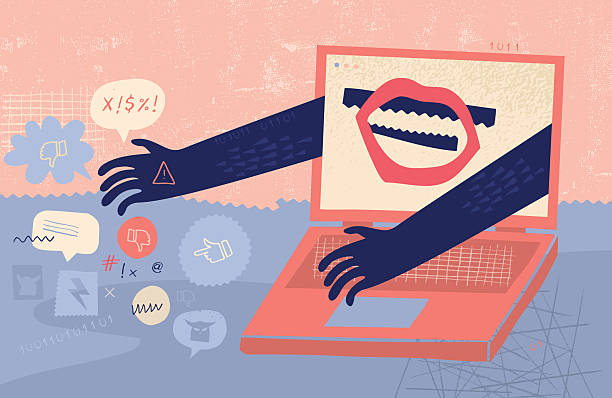
This is not a bank. This is a phishing attack delivered by text message, often called smishing. And it’s one of the most effective scams hitting middle‑class Americans right now, precisely because it plays on two things you take seriously: your money and your peace of mind.
Here’s how the scam works. Fraudsters rent a short code or spoof a toll‑free number that appears on your caller ID as your bank’s legitimate customer service line. They blast out thousands of texts with generic subject lines—“Card Suspended,“ “Fraud Alert,“ “Unusual Sign‑In”—all demanding immediate action. The goal is not to trick you into clicking a link, though that happens too. The goal is to get you on the phone. Once you call, a convincing interactive voice response system takes over. It asks for every piece of information a real bank would never request in that manner: your full debit card number, your security code, your online banking username, even the one‑time verification code that your real bank just sent to your phone. That last one is the kill shot. You think you’re confirming your identity to a security agent. In reality, you’re handing over the final key to your account. The scammer uses that code to reset your password, transfer money to a mule account, or buy gift cards before you ever hang up.
Why are people aged 45 to 64 targeted so heavily? Because you have savings, a steady income, and a lifetime habit of respecting authority. You were raised to answer the phone, to be polite, to handle a problem promptly. Scammers know that. They also know you didn’t grow up with a phone in your hand, so you might not notice the small red flags: a weird sender ID, an odd use of language, or a request that feels just slightly off. For years you were taught to trust the number on the screen. That trust is exactly what these criminals exploit.
The single most important rule is this: never call a number that appears in an unsolicited text message, even if it looks like your bank’s official line. Phone numbers can be spoofed. Short codes can be rented. The name on your caller ID means nothing. If you get a text about a frozen card, a locked account, or an “unusual login attempt,” do not call the number in the message. Instead, flip your physical debit or credit card over and call the customer service line printed on the back. That number is the only one you can trust. The same logic applies to emails. Never click a link in an email that says your bank is verifying your identity. Open a fresh browser window, go to your bank’s website directly, and log in from there.
Look for the pressure tactics. A legitimate bank will never demand that you act “within one hour” or threaten to close your account permanently. They will never ask you to read back a one‑time passcode over the phone to anyone who called you. That code is meant for your own login, not for a voice on a phone. A real security agent will identify you by asking questions that don’t involve your full card number or your PIN. If they ask for your PIN, hang up immediately. Your PIN is like a key to your front door. No one legitimate ever needs to know it.
If you think you’ve already fallen for this trap, don’t panic. Time is the enemy. Call your bank’s fraud department immediately using the number on your card or the one you find in a trusted app, not the number from the text. Tell them you believe you shared personal information with a scammer. They can freeze your card, reverse unauthorized transfers if caught quickly, and place a fraud alert on your account. Also change your online banking password and any security questions. Then report the text to your wireless provider and to the Federal Trade Commission at reportfraud.ftc.gov. It takes two minutes and helps the next person.
Consumer scams are not a joke. They are a business, run by professionals who refine their scripts every day. But you can stay ahead of them by remembering one simple rule: when it comes to your money, never act on an unsolicited message. Hang up, delete, and call the number you know is real. That small habit will save you thousands of dollars and a world of headache.
Scam Watch
Protect it before they take it.

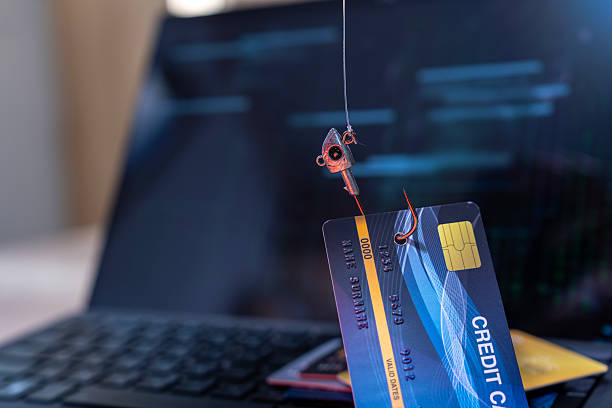
Fake Bank Alerts: The Phishing Scam That Never Dies
Don’t Fall for Student Loan Relief Scams: What Middle-Class Borrowers Need to Know