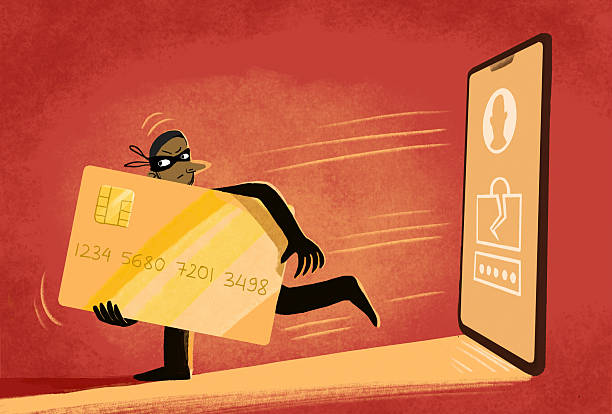
The Fake Equipment Check: A Work-from-Home Job Scam That Drains Your Bank Account
Here’s how it unfolds. You apply for a job you saw on a social media ad, a text message, or a job board. A recruiter responds quickly. The interview happens entirely by chat or email, never by video or phone with a real person who can answer hard questions. You’re hired almost immediately. No one checks your references. Then comes the setup: because you work from home, you need a computer, printer, software, or a home office package. The company says it will pay for everything. A check arrives, often for more than the equipment costs. You’re told to deposit it, wait for it to clear, and send the extra money to a “vendor” by wire transfer, Zelle, gift card, or cryptocurrency. The vendor is the scammer. The check is counterfeit or stolen. By the time your bank discovers the fraud, the money you sent is gone. You owe the bank for the bad deposit.
The cruelest part is how normal it seems. Banks may make funds available in a day or two. That doesn’t mean the check is good. Federal rules require banks to make funds available quickly, but if a check later bounces, the bank can take the money back. Scammers count on that confusion. They also count on urgency. They say the equipment must be ordered today, or the vendor will cancel the discount. They warn that asking too many questions will cost you the job. They may use a real company’s name, a fake website, and email addresses that look close to the real thing. Some send official-looking offer letters with benefits and vacation time. The polish is fake, but the loss is real.
Other versions of the same scam do not use a check. They may ask you to pay for training, a background check, software, or a certification before you can start. A legitimate employer doesn’t make you pay to get paid. Some send a “signing bonus” and ask you to buy gift cards for client gifts. Others ask for your bank account and routing number for direct deposit, then use it to open fraudulent accounts or deposit stolen funds. Some offer a “package reshipping” job where you receive electronics or merchandise at home and forward them overseas. That can make you part of a stolen goods operation. If police come, your address is on the boxes.
Protect yourself with a few hard rules. Never deposit a check from an employer you have not verified in person or through an independent, official source. Look up the company separately. Call its main office and ask if the job exists and if the recruiter works there. Legitimate remote jobs do exist, but they don’t require you to front money, move money, or buy equipment from a specific vendor. A real employer provides equipment directly or reimburses you after you buy it through a normal expense process, not by overpaying you with a check. Never share your online banking password or two-factor codes. Never buy gift cards, send crypto, or wire money to a “supplier” for a job.
If you suspect a scam, stop all contact. Tell your bank immediately. File a complaint with the Federal Trade Commission, your state attorney general, and the FBI’s Internet Crime Complaint Center. Keep every email, text, check image, and receipt. You may not recover the money, but reporting helps investigators and protects others. The best defense is simple: no real job makes you pay to work, and no real paycheck arrives as a check you must forward to a stranger. If an offer feels too easy, too fast, and too good, it is not a career opportunity. It is a withdrawal.
Scam Watch
Protect it before they take it.

Predatory Guardianship: The Legal Trap That Steals Your Autonomy

Referral Fees That Skew Honest Legal Advice