The Fake Missed Delivery Text Scam: How It Works and How to Protect Yourself
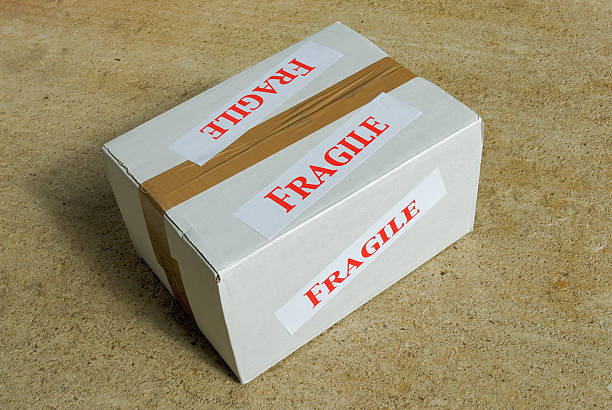
This is the fake missed delivery text scam, also known as smishing. It is one of the most common and convincing online scams targeting Americans today, and it preys on the fact that nearly all of us are expecting something in the mail at any given time. Scammers know that middle-class consumers frequently order items online, receive packages from relatives, or deal with shipping delays, and they exploit that expectation to steal personal information and money.
The scam usually begins with an unsolicited text message that appears to come from a major shipping carrier. The message claims that a delivery was attempted but could not be completed due to an incorrect address, insufficient postage, a missed signature, or a customs hold. To resolve the issue, you are prompted to click a link and provide details such as your full name, home address, phone number, and often your credit card number to pay a small fee, typically between one and three dollars. The scammers also frequently ask for your date of birth or Social Security number, claiming it is needed for verification. What you are actually doing is handing over everything a criminal needs to steal your identity, empty your bank account, or open credit cards in your name.
These messages are often very well crafted. They may include the correct logo for the carrier, a fake tracking number that looks legitimate, and a sense of urgency that pressures you to act quickly. Some versions of the scam use a shortcode that resembles a real carrier’s shortcode, while others use a spoofed phone number that appears to come from the carrier’s customer service line. Scammers also take advantage of busy periods, such as the holiday season, when package volumes are high and delays are common, making the lie more believable.
But there are clear red flags that can help you spot the scam before you fall for it. First, legitimate delivery services do not send unsolicited text messages asking for personal information or payment. If a carrier truly needs to contact you, they will typically leave a physical door tag at your address, send an email from a verified domain, or alert you through their official app. They will never ask you to click a link in a text and enter sensitive data. Second, the message often contains generic greetings like “Dear customer” or “Dear user” instead of addressing you by name. Third, the link in the message is usually a jumbled string of characters or a misspelled version of the company’s real website, such as “fedex-deilvery.com” instead of “fedex.com.” Fourth, the message may contain poor grammar, unusual capitalization, or odd phrasing—though scammers are getting better, so do not rely on spelling errors alone.
If you receive a suspicious delivery notification text, do not click the link. Do not reply to the message or call any number listed in the text. Instead, delete the message immediately. If you are genuinely concerned about a delivery, go directly to the carrier’s official website or use their official mobile app to check the status of your package using the tracking number you were given when the item was shipped. Do not use the link or tracking number provided in the suspicious text. You can also report the scam text to the Federal Trade Commission at ReportFraud.ftc.gov or forward it to 7726 (SPAM) on most mobile carriers, which helps authorities track and block scammers.
It is also worth noting that this scam has evolved beyond simple text messages. You may receive a phone call from a fake delivery company, an email that looks like a shipping notification, or even a pop-up on your computer warning about a “package delivery failure.” The mechanics are the same: create urgency, ask for personal data or payment, and disappear with your information. Never trust unsolicited communications that push you to act immediately. When in doubt, hang up, close the browser, and verify through a channel you control.
The best protection is skepticism. Every time your phone buzzes with a message about a missed delivery, pause and ask yourself: Was I actually expecting a package? If not, the message is almost certainly a scam. If you are expecting something, compare the message’s details with the shipping confirmation you received from the seller. Legitimate tracking numbers are provided at the time of purchase, not sent to you out of the blue. And remember: no delivery service will ever demand payment for a redelivery via text message. That fee is either built into the shipping cost or handled through official channels, never through a random link.
Staying informed is your best defense. Scammers constantly update their tactics, but the core principle remains the same: they want your personal information and your money. By knowing how these fake missed delivery texts work and what to look for, you can protect yourself and your family from losing both.
Scam Watch
Protect it before they take it.


Kitchen Cabinet Refacing Thin Veneer Fraud
The Rental Listing Trap: How Scammers Exploit the Housing Hunt