The Half-Down Handshake: Why Paying a Contractor Upfront Is a Losing Bet

The moment a contractor asks for half the project cost before a single nail is driven, your antenna should be up. That is not a sign of trust. That is a sign of extraction. A legitimate contractor has expenses, yes. They need to buy lumber, order windows, reserve dumpsters. But that does not require your full payment upfront. Most states limit advance deposits to ten or twenty percent of the total job, and even that is often negotiable. When a grown adult in a work truck insists that fifty percent is standard practice, they are counting on you not knowing any better. Or worse, they are counting on you not checking.
Consider how these rip-offs typically unfold. You get three bids. One is shockingly low, one is in the middle, and one is outrageously high. You are a sensible, budget-conscious homeowner, so you lean toward the low one. The low-bid contractor is also the one who says he needs money upfront to lock in material prices. He seems confident, friendly, and anxious to start. So you write a check for five digits. A few days later, a pile of lumber appears in your driveway, which makes you feel good. Then the crew stops showing up. The contractor says his supplier had a mix-up. Then his truck broke down. Then his mother fell ill. Each excuse buys him more time to find other homeowners like you. By the time you threaten legal action, he has dissolved his company and replaced his phone number. You are left with a partial stack of two-by-fours and a legal bill that outweighs what you lost.
This pattern works because it preys on the good faith of people who grew up in an era when a handshake meant something. People aged forty-five to sixty-four are often the ones who care about reputation, who believe in paying your debts, and who assume that a contractor with a local ad in the church bulletin is a neighbor first and a businessman second. That generosity becomes a weapon. The scammer does not see a homeowner. They see a retirement account with legs.
The deeper trick is the change order con. You pay the deposit. The work starts, but slowly. Suddenly the contractor announces that the foundation is worse than expected, the wiring is outdated, or the pipes have to be moved. These are not surprises to him. They are scripted upcharges. He knows you are already in too deep, both financially and emotionally. You want the job done, so you authorize an extra three thousand dollars. Then another two. The final bill ends up double the estimate, and the quality is no better than if you had hired a friend of a friend with a hammer. The deposit was never about materials. It was the first domino in a long row of squeezing.
You can protect yourself without being a cynic. First, never pay more than ten percent upfront, and only if the contractor provides a written contract with a detailed scope of work, a timeline, and a lien waiver. Better yet, pay only for materials that are delivered to your home with receipts in your name. Labor gets paid weekly or at defined milestones, such as after framing, after rough-in, and only after final inspection. Hold back ten or fifteen percent until you have lived in the space for thirty days and confirmed the roof does not leak and the tile does not crack. If a contractor balks at this arrangement, thank them for their time and close the door.
Also check the basics. A real contractor has a physical address, not a mailbox. They have a license number you can verify with your state board. They carry workers’ compensation and liability insurance, and they are happy to email you proof. They use branded vehicles, not a borrowed pickup. They do not ask for cash to avoid taxes. They do not pressure you into a same-day decision. They do not say the insurance company owes them a favor.
The cold truth is that home renovation theft does not look like a crime. It looks like a bargain. It looks like a nice guy who shows up on time for the estimate. It looks like a discount you cannot refuse. But remember that your signature on a contract is the only thing standing between your bank account and a stranger’s spending spree. Keep your wallet closed until the work is real, the permits are pulled, and the inspector has signed off. That is not rude. That is smart. And it is the only way to ensure that the deck you paid for is actually under your feet.
Scam Watch
Protect it before they take it.


The Mortgage Servicing Trap: How Loan Modifiers and Servicers Prey on Homeowners
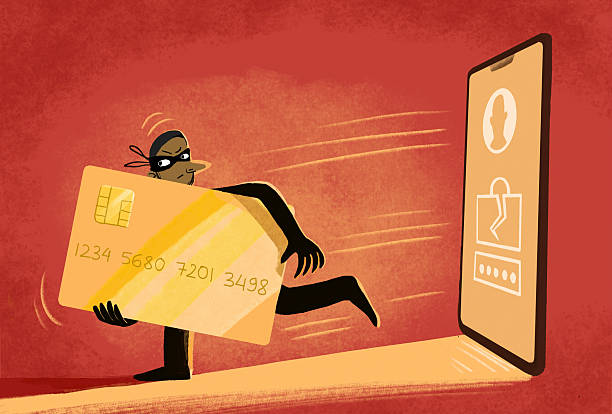
Synthetic Identity Theft: How Scammers Build Fake People With Your Real Social Security Number