The Hurricane Relief Donation That Never Reached a Single Victim
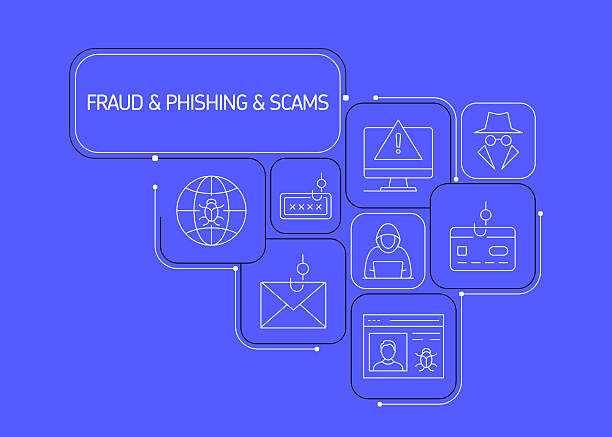
The most common trick is the sound-alike name. A fraudster will register a charity with a name that is almost identical to a well-known organization like the American Red Cross or the Salvation Army. They drop a word, change a letter, or add “Foundation” to the end. The goal is to make you think you are donating to a trusted group when you are actually wiring money to a shell company. These fake charities often launch within hours of a disaster, long before legitimate relief organizations have even assessed the damage. They know that the window of maximum generosity is narrow. People see the news, feel the urge to help, and act fast. That urgency is your enemy. Legitimate disaster relief is not a sprint; it is a marathon that lasts months or years. Any charity that pressures you to give immediately, especially by phone, text, or door-to-door solicitation, is almost certainly fraudulent.
Another red flag is the method of payment. A real charity will accept donations by credit card, check, or their own secure website. A fake charity will ask for cash, gift cards, wire transfers, or cryptocurrency. These are irreversible. Once you hand over a stack of cash to a person in a vest holding a clipboard outside your grocery store, that money is gone. Gift cards are a favorite because scammers can drain them instantly and resell them. If a supposed relief worker tells you that the only way to help hurricane victims is to buy them a Walmart gift card and read the numbers over the phone, you are being scammed. No legitimate disaster relief operation works that way.
There is also the emotional manipulation that targets your sense of guilt. You might get a call from someone claiming to represent a local church or veterans group, telling a heartbreaking story about a specific family who lost everything. They ask for a modest donation, say twenty-five dollars, and give you a sense of personal connection. This is called the “specific need” pitch. It works because it feels smaller and more authentic than a generic appeal. But in reality, the story is fabricated, and the caller is reading from a script written by a professional scam operation. These call centers often operate from overseas, using voice-over-IP numbers that look local. Your twenty-five dollars buys another phone number on a burner list.
How do you protect yourself? First, never donate to a charity you have not researched. The IRS maintains a searchable database of tax-exempt organizations. Sites like Charity Navigator, Guidestar, and the Better Business Bureau’s Wise Giving Alliance let you see how a charity spends its money, how much goes to actual programs versus overhead, and whether it has been flagged for misconduct. Before you give a dime, type the charity’s exact name into a search engine along with the word “scam” or “complaint.” You will often find news reports or consumer alerts already posted. If nothing comes up and the charity claims to be new, be suspicious. Real disaster relief charities are rarely brand-new. They have track records.
Watch for high-pressure tactics. A legitimate charity will thank you for your interest and give you time to decide. A scammer will tell you that the opportunity to help is closing, that supplies are running out, or that matching funds will expire within the hour. They create artificial scarcity because they know you will react emotionally. Hang up. Close the door. Delete the text. Then go directly to the website of a charity you already know and trust, and make your donation there. That will take less than five minutes and guarantees your money reaches people who need it.
Also, be aware of “veteran” and “first responder” charities. Scammers know that Americans between forty-five and sixty-four have high respect for the military and emergency services. They will adopt names like “Support Our Heroes Foundation” or “National Police Relief Fund.” Some of these are actually legitimate organizations, but many are for-profit operations that keep ninety percent of donations for “administrative costs” and funnel a tiny fraction to charity. The Federal Trade Commission has sued multiple such groups. Do not assume that a name that sounds patriotic is honest. Check the fine print, specifically whether the group is a 501(c)(3) nonprofit. If they cannot provide that tax ID number upon request, walk away.
Finally, never give to a charity that contacts you first. That includes emails, robocalls, texts, and social media ads. The safest donation is one you initiate. When you hear about a disaster, go to Charity Navigator or the website of a group like Direct Relief, World Central Kitchen, or the local community foundation. These organizations have established logistics, vetted partners, and transparent financials. They do not need to ask you for money by phone at seven o’clock on a Tuesday evening.
Disaster relief exploitation is not a minor problem. It siphons millions of dollars away from actual victims every year. But you can stop it with a simple habit: slow down, verify, and give only to charities you choose. That is not cynicism. It is common sense. And it is the only way to make sure your generosity actually helps.
Scam Watch
Protect it before they take it.

How Pig Butchering Crypto Scams Steal Retirement Savings
Fake Prize Notifications: How to Spot a Sweepstakes Scam Before You Pay