The IRS Impersonation Phishing Scam: Don’t Let a Spoofed Email Drain Your Bank Account
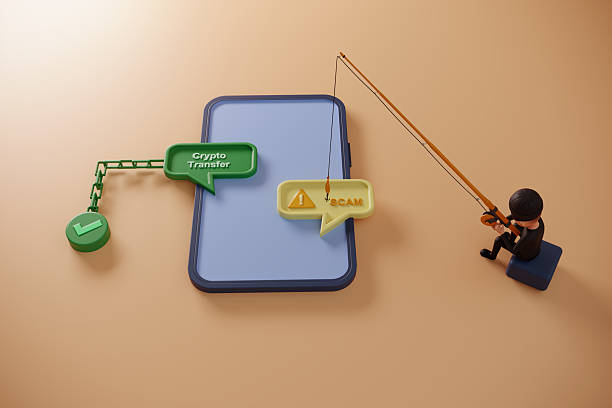
The mechanics are simple and devastating. The email contains a link that sends you to a fake IRS login page. The page looks virtually identical to the real one. It asks for your Social Security number, your date of birth, your bank account number, and your routing number. The message says this is necessary to release a refund or to confirm a direct deposit. Once you type in that information and hit submit, the scammers have everything they need. Within hours, they can drain your checking account, open credit cards in your name, or file a fraudulent tax return to steal your refund before you even get it. You will not know what happened until the money is gone or the real IRS sends you a letter about a suspicious filing.
Why do otherwise smart people fall for this? Because the scammers are masters of urgency and authority. They remind you that the IRS has the power to freeze your assets, put a lien on your home, or even have you arrested. They use official terminology like “Notice CP2000” or “Form W-2 Employment Verification.“ They even include your full name and address, often pulled from data breaches or public records. The tone is stern but polite. There is no “Dear Taxpayer” or generic greeting. It is personalized. And the clock is always ticking. You are told to respond within twelve hours or your refund will be permanently lost. That time pressure shuts down your rational mind. You do not stop to think, “Wait, the IRS doesn’t have my personal email address.“ You just click.
Here is the reality you need to engrave in your memory: the IRS will never initiate contact with you by email. They do not send unsolicited messages asking for your Social Security number. They do not ask for your bank details over email. They do not demand immediate payment through a link. When the IRS needs to reach you, they send a physical letter through the United States Postal Service. That is the only way they start a conversation. Any email that claims to be from the IRS and asks you to log in to anything is a scam. Period.
Spotting the fake is not complicated if you slow down. Look at the sender address closely. The real IRS uses irs.gov, but scammers will use irs-gov.com, irs-refunds.net, or something like irs.gov-security.com. Hover your mouse over the link without clicking it. The URL at the bottom of your screen will show a web address that has nothing to do with irs.gov. It might be a long string of numbers or a random domain like tax-refund-claims.biz. Also check the greeting. The real IRS uses your full name in any correspondence, not “Dear Taxpayer” or “Dear Valued Customer.“ Grammar and spelling slips are common, but scammers have gotten better. The most reliable test is this: if you did not expect it, do not trust it. A legitimate agency will never spring a deadline on you via email.
If you receive one of these emails, do not click anything. Do not reply. Do not forward it to your friends to warn them, because they might accidentally click it. Instead, forward the entire email to phishing@irs.gov. That is the real address that the IRS uses for reporting scams. Then delete the email. If you already clicked the link and entered your Social Security number, act without delay. Go to identitytheft.gov and report what happened. Call the IRS directly at 800-829-1040. Tell them you may be the victim of a phishing scam. Put a fraud alert on your credit reports with Equifax, Experian, and TransUnion. Your bank should already be your first call. You need to secure your accounts before anyone else can touch them.
Consider what happened to a 58-year-old from Ohio. He got an email saying his $1,800 refund was blocked because his bank details did not match. He clicked, entered his SSN and routing number, and two days later found his checking account wiped out. The email looked flawless. It even had the correct IRS phone number. But that number was not the real IRS line. The lesson is not that he was foolish. He was targeted, terrified, and rushed. That combination defeats most people. The only defense is refusing to engage with any unsolicited email that asks for personal data. This trick is not limited to the IRS. The same playbook works for unpaid tolls, missed jury duty, and expiring health insurance. The subject changes, but the structure is identical: a threat, a deadline, and a link.
You are not expected to outsmart seasoned criminals. You are expected to follow one rule. When an email arrives out of nowhere and tells you to verify your identity, your bank account, or your tax status, delete it. Then go to the official website by typing the address into your browser yourself. If there is a real problem, you will see it. If there is not, you have just saved yourself a world of pain. The IRS will never call you to demand immediate payment, and they will never email you to unlock your refund. Treat every unsolicited IRS email as junk. That simple habit is the difference between a secure bank account and a financial nightmare.
Scam Watch
Protect it before they take it.

The Fake Package Delivery Text: How a Simple Notification Can Empty Your Bank Account
How Emergency Plumbers and HVAC Companies Gouge You When You’re Desperate