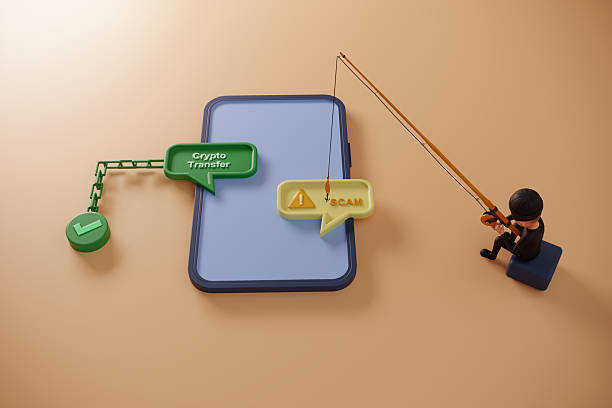
The Extended Warranty Trap: Why Store Pitches Are Designed to Empty Your Wallet
First, let’s talk about extended warranties. The sales pitch is simple: your appliance might break down, and repairs are costly. So you buy an extra coverage plan. Here’s what the store doesn’t tell you. The manufacturer already provides a warranty covering defects for at least a year, and many major appliances have longer coverage on parts like compressors. The extended warranty duplicates that protection. You’re paying for something you already have. The fine print is full of exclusions: normal wear, cosmetic damage, even certain mechanical failures due to improper maintenance. Many policies require approved repair centers, which may be far away. The deductible per service visit eats up savings. Studies show most extended warranties are never used, and those that are used often don’t pay out enough to cover the policy cost. For a store, the margin can be 50% or more. They train employees to push these hard. It’s not about protecting you; it’s about protecting their profit.
Now, the pricing tricks. Retailers know that a good deal is based on context. That’s why you see a huge “original price” crossed out with a “sale price” below it. What you don’t know is that the original was never a real selling price. It was inflated to make the sale seem like a steal. This is called price anchoring. Store-brand items are placed next to premium brands, making the store brand look like a bargain even if it’s still overpriced. Another trick is the “compare at” price on tags. That compare price is often fabricated. No honest retailer sold that item at that price, but the comparison makes you think you’re saving. Even the “price match guarantee” can be a trap. Retailers exclude online prices, special promotions, and clearance items. So when you bring in a competitor’s ad, they find a reason it doesn’t qualify. If they do match, the fine print might include a higher shipping fee or a shorter warranty period.
Then there’s the “display model” trick. That shiny appliance has been turned on and off hundreds of times, switched by customers, and may have scratches. If you ask for a discount on the display model, many stores say it’s full price because they prefer to sell it as new. You might pay for an item without a box, without a manual, and with the manufacturer’s warranty already voided because the store registered it as a demo. “Open box” deals are a gamble. Sometimes a customer returned a product after a single use, sometimes it’s been serviced twice. The store repackages it, slaps a “like new” label, and charges you almost the full price. You get no idea of the unit’s true history. Always inspect the box for signs of tampering, and if the seal is broken, ask for a different unit altogether.
To protect yourself, don’t be swayed by pressure. When a cashier pitches an extended warranty, ask to see the full contract. Read the exclusions and total cost. Often you can set that money aside yourself and cover any future repair. For pricing, ignore the suggested original price. Do your own comparison research on your phone before you reach the register. Look up the actual online price from competing retailers, including shipping costs. Always ask if the display model is available at a discount, but be prepared to walk away. The bottom line is that retail stores are not your friends. Your best defense is skepticism, which costs nothing. Don’t fall for the warranty pitch, don’t trust crossed-out prices, and never assume a store’s “deal” is actually a deal until you’ve verified it yourself. That is how you win the retail game.
Scam Watch
Protect it before they take it.

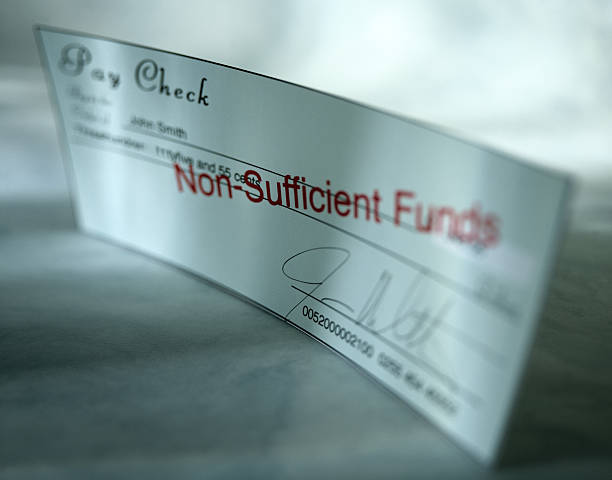
The Prize Check That Bounces: How Sweepstakes Scammers Trap You with Fake Winnings
You Haven’t Won That Sweepstakes – It’s a Trap