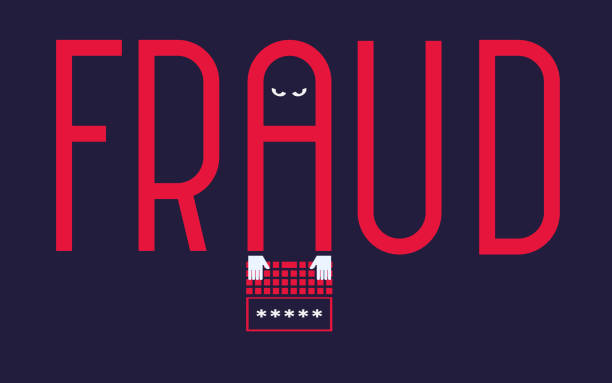
The New “Friend” Luring You Into a Crypto Nightmare

This is not the old “Nigerian prince” email. It is not a clumsy text from “Amazon” asking you to verify your account. Pig butchering is a sophisticated, patient, and devastatingly effective scam designed to drain your savings over months. The scam gets its name from the metaphor of fattening a pig before slaughter. The scammers, often working out of massive compounds in Southeast Asia, take their time building trust. They invest in you. They learn your financial situation, your hopes, your fears, and your loneliness. They groom you like a friend would, because that is exactly what they pretend to be.
The starting point is almost always a relationship. It could be a wrong-number text that leads to a pleasant chat. It could be a dating app. Or, as described above, it could be a fake social media profile that claims a real-world connection. The scammers steal photos from real people, often professionals or attractive individuals, and craft a complete backstory. They do not rush. They will talk to you for weeks on the phone, send you selfies, and even video chat briefly using pre-recorded footage or a blurred camera. Their goal is to make you believe they are a genuine person with a genuine opportunity.
Once trust is established, the “investment opportunity” appears. They claim to be making money through a cryptocurrency trading platform they discovered. They show you screenshots of their profits. They offer to help you start small. You deposit a few hundred dollars into a fake exchange website, and within days, the platform shows you have turned that into a thousand. You withdraw a small amount to test it, and the money actually lands in your bank account. That is the moment they hook you. That small withdrawal is real. It is the pig noticing the feed tastes good.
You deposit more. Your fake profits grow. The platform encourages you. Your “friend” urges you to take a loan, cash out your 401(k), or sell your car to seize a “limited-time bonus.“ This is the slaughter. When you finally try to withdraw a large sum, the platform demands a “tax payment” or an “insurance fee” to release your funds. You pay, hoping to get your money out. Then they demand another fee. Eventually, they vanish. The website goes dark. Your “friend” deletes their profile. Your money, often tens or hundreds of thousands of dollars, is gone. You cannot call the FBI and ask them to reverse a cryptocurrency transaction. Once the coins leave your wallet, they are gone forever.
Middle-class Americans aged 45 to 64 are prime targets for a few reasons. You have accumulated savings and equity. You might be thinking about retirement and looking for smart ways to grow your nest egg. You are also more likely to trust a long conversation and less likely to assume every stranger is a criminal. Scammers exploit that decency. They know a generation that values politeness and follow-through.
How do you spot this before it is too late? First, any unsolicited offer to teach you about making money is a scam. No one who has a genuinely profitable trading system is going to share it with a random Facebook friend. Second, no legitimate investment platform requires you to pay fees to withdraw your own money. That is not how the financial system works. Third, cryptocurrency exchanges that do not require identity verification and that show “guaranteed” returns are fraudulent. Real markets go up and down. A platform that only shows green numbers is lying. Fourth, a person who refuses to meet you in person or video call clearly is not your friend. They are a thief with a script.
If you have already sent money, stop. Do not send more to “get it back.“ That is a secondary scam. Report it to the FBI’s IC3 portal, contact your bank, and tell a family member. You are not stupid for falling for this. These are professional criminals who study psychology and run call centers like businesses. The shame belongs to them, not to you. The best defense is simple: if a stranger on the internet offers you easy money, you are the profit, not the partner.
Scam Watch
Protect it before they take it.

The Growing Threat of Synthetic Identity Fraud: How Criminals Create Entirely New Identities from Your Data