The Promissory Note Trap: When Your “Safe” 12% Return Becomes a Retirement Scam
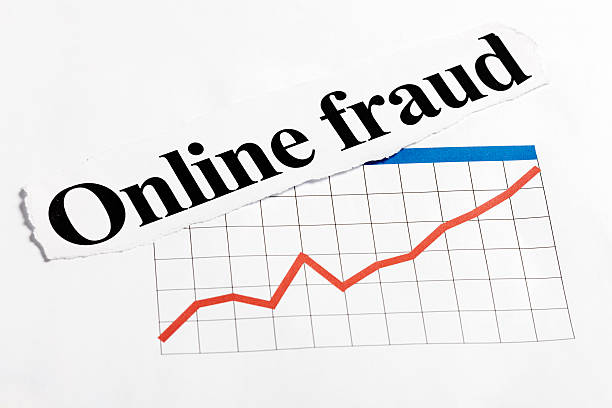
The sales routine does not vary. A caller or seminar speaker tells you about a company drilling for natural gas, buying distressed real estate, or financing legal settlements. They hand you glossy brochures, annual reports, even a letter from a lawyer declaring the investment sound. Then come the assurances: principal is protected, payments arrive monthly, and zero connection to stock market volatility. Urgency follows. Only a few allocation spots remain. The company needs funding Friday. If you hesitate, they question your intelligence. Why let the bank pay you 1 percent when this sound organization pays 12? Because, as you will learn, a 12 percent risk-free return is a contradiction in terms.
Why does this resonate so strongly with people aged 45-64? Because you stand at a precise point. You see retirement approaching, yet your savings feel inadequate. You watched parents drain their accounts on medical bills. You lived through 2008 when stock portfolios dropped by half. The result is a desperate search for something safer that still grows. Scammers weaponize that desperation. They also use social proof. Your neighbor, a retired nurse, and a church elder all invested. These are not stupid people. They were simply never told that checking registration with a state securities regulator takes ten minutes. Without that check, anyone can sell you paper with a reliable-looking signature. The signature is worthless.
The fundamental problem is that the offering is always unregistered. Under federal and state law, any security sold to the public must be registered unless it meets an exemption. Scam promissory notes do not. The promised return also fails basic math. To give you 12 percent and still cover salaries, rent, and profit, a company must earn 18 to 20 percent gross. Few legitimate businesses do that consistently. In most cases, the money to pay your interest comes from newer investors. That is the hallmark of a Ponzi scheme. These operations run smoothly until the flow of new money slows, then everyone downstream loses. By the time regulators catch on, the operators have wired funds overseas and left behind empty file cabinets.
If you have already invested, prepare for a painful recovery process. Your promissory note puts you at the back of the bankruptcy line. Banks and secured creditors get paid first; unsecured note holders often receive nothing. Even if the scammer pledged collateral, such as oil wells or property deeds, those claims are frequently bogus or double-pledged. Lawsuits drag on for years and cost more than most people can afford. And here is an afterthought: once your name appears on a victim list, you will receive calls from “recovery specialists.“ They promise to get your money back for an upfront fee. It is another fraud. No legitimate recovery firm charges a fee in advance. They take a percentage only if they deliver.
The best defense is boring. Keep retirement money in low-cost index funds, Treasury bonds, and federally insured CDs. Accept that higher returns always come with higher risk. If a salesperson claims otherwise, they are lying. Your financial advisor should be a fiduciary, legally required to put your interests ahead of their own. Many scam note salespeople are paid huge commissions, so they are not advisors at all. Before you hand over one cent to any private company, verify the offering with your state securities regulator. You can find the number online or through your secretary of state’s office. The call is free. It takes ten minutes. One question: “Is this company registered to sell promissory notes in our state?“ That question has exposed hundreds of scams.
Scam Watch
Protect it before they take it.


The Reshipping Scam: When a Work-from-Home Job Makes You an Accomplice

Deposit Demanding and Material Price Surges