The Remote Work Trap: How Fake Job Interviews Lead to Identity Theft

Scammers know that middle-aged Americans are prime targets for work-from-home opportunities. Many of you have substantial savings, solid credit, and a lifetime of trusting the old rules of business. You remember a time when a handshake meant something and when a company that posted a job actually intended to fill it. Those days are gone. Today, criminals post fake jobs on legitimate job boards, social media, and even Craigslist. They use the names of real companies like Walmart, Amazon, or a local utility. They copy logos and write convincing job descriptions. Then they direct you to a private chat or a messaging app like WhatsApp or Telegram for your “interview.“ That is the first red flag.
Real employers do not conduct serious interviews over text messages. They do not offer you a job without seeing your face or at least hearing your voice. But the scammer does not need your appearance or your voice. What they need is your personal information. So they ask for your Social Security number, supposedly for a background check. They ask for your bank account and routing number, supposedly to set up direct deposit. They may even ask for a copy of your driver’s license or passport. Before you know it, you have handed over everything a thief needs to open credit cards, take out loans, or drain your existing accounts.
Another common variation involves the overpayment check. You are told that you need to purchase equipment—a laptop, a printer, or specialized software—from an approved vendor. The company sends you a check for the full amount, plus a little extra for your trouble. You deposit the check, wire the money to the vendor, and wait for the equipment that never arrives. The check bounces days later, and your bank holds you responsible for the money you wired. That money is gone. The scammer never had any intention of hiring you or sending you equipment. They only wanted to get a real check from your bank and turn it into cash through your own actions.
There is also the resume harvesting angle. Some scammers do not ask for bank details at all. They simply collect your resume, which often contains your full name, address, phone number, email, and work history. That information is sold on dark web marketplaces to identity thieves or used to target you with more convincing phishing scams later. You may never know that the job didn’t exist until months later, when you start seeing unfamiliar charges on your credit card or collection notices for debts you never incurred.
How do you protect yourself? First, be skeptical of any job that promises high pay for minimal skills and no face-to-face interaction. If an employer hires you after only a text-based interview, walk away. Second, never provide your Social Security number or bank account details until you have a signed offer letter and have verified the company’s physical address and phone number. Call that phone number, not the one in the email, but the one listed on the company’s official website. Third, understand that a legitimate employer will never send you a check and ask you to wire money anywhere. That is the single most obvious sign of a fraud.
If you have already fallen for this scam, act quickly. Contact your bank immediately to report the fraud and try to stop any wires. Place a fraud alert on your credit report with the three major bureaus. File a complaint with the Federal Trade Commission and your state attorney general. Keep every email and message from the scammer as evidence. The sooner you act, the better your chance of limiting the damage.
The promise of a comfortable remote job is a powerful lure, especially when you are worried about retirement savings or a shrinking pension. But remember that a real employer takes time to vet you, asks for references, and verifies your identity in a professional manner. If the process feels too casual, too fast, or too good to be true, it is. Your identity and your hard-earned money are worth more than any phantom paycheck. Protect them the same way you would protect your own front door. Lock it tight, and do not let a stranger walk in without a proper background check of their own.
Scam Watch
Protect it before they take it.


The Equity Stripping Scam: How Home Loan Refinancing Can Rob You Blind
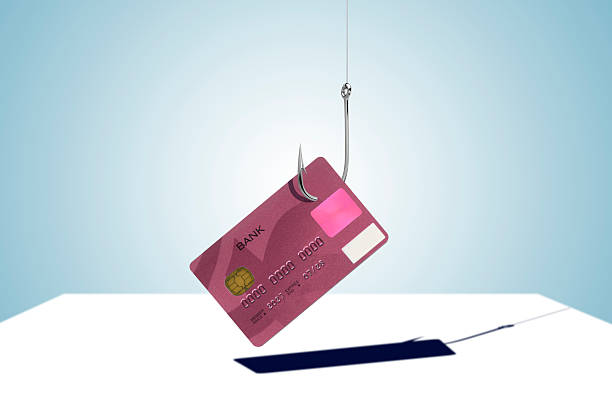
The Bank Fraud Alert Text That Will Drain Your Account: How to Spot and Stop Smishing