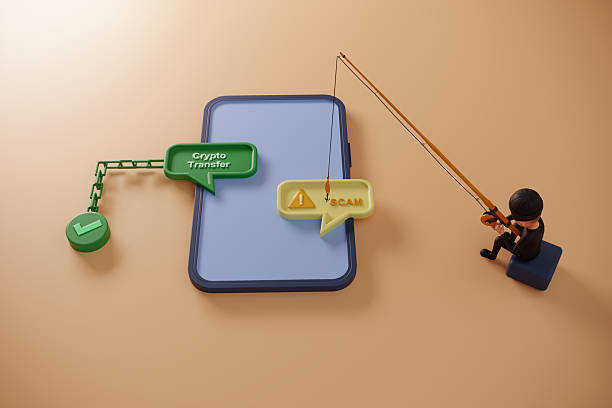
The Rise of Fake Rental Listings and How to Avoid Them
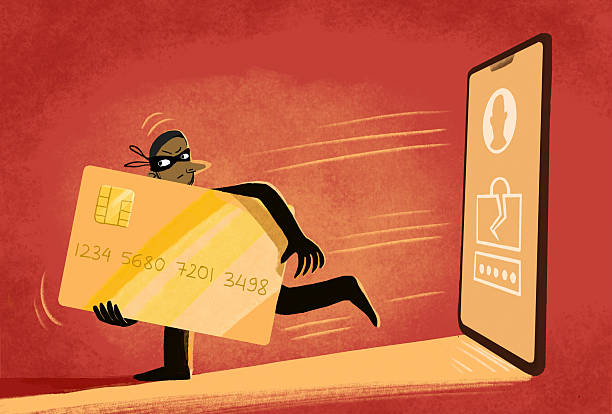
This is the phantom rental listing, one of the most common real estate and rental listing deceptions hitting middle-class Americans today. The Federal Trade Commission reports that rental scams cost consumers millions each year, and the victims are often people who are just trying to find a decent place to live—seniors downsizing, families relocating for work, or adults helping college-age children find off-campus housing. The scam works because it preys on urgency, trust, and a lack of firsthand inspection.
How do these scams operate? Fraudsters steal photos and descriptions from legitimate listings on real estate sites like Zillow, Realtor.com, or Craigslist. They repost the listing under a different name and price, often making the rent compellingly low. They create a sense of scarcity: “I have three other people interested, so if you can send the deposit today, I’ll hold it for you.” They refuse to meet in person, claiming they are out of town, serving in the military, or managing the property remotely. They ask for payment via non-traceable methods—wire transfers, Zelle, Cash App, or even prepaid debit cards. Once you send the money, they vanish.
You might think, “I would never fall for that.” But these scammers are sophisticated. They will send you a fake lease agreement with convincing language and even a photo of a supposed driver’s license. They might set up a temporary phone number and create an email address that mimics a real property management company. They can spoof a legitimate real estate agent’s name. The key is to slow down and verify everything.
The first and most important rule: never send money for a rental you have not seen in person. If you cannot visit the property, ask a friend, a relative, or a professional inspector to go for you. A legitimate landlord or property manager will accommodate a viewing. If they give excuses or pressure you to pay before you see the place, that is a giant red flag.
Second, verify ownership. Look up the property’s address on county tax assessor records. The owner’s name should match the person you are dealing with. If the property is managed by a company, confirm that company exists and that the person you spoke to works there. Call the company using a number from a reliable source, not the number in the listing email.
Third, be suspicious of any payment method that is not traceable or refundable. Legitimate landlords almost always accept checks, credit cards through a secure portal, or bank transfers to a verified business account. If they want cash, gift cards, cryptocurrency, or a wire transfer to a personal account overseas, walk away.
Fourth, research the rental price. If the rent is significantly lower than comparable units in the same area, it is likely a bait-and-switch. Scammers lure you with a deal that does not exist. Check sites like Zillow, Apartments.com, or Rent.com to get a realistic range.
Fifth, do a reverse image search on the photos in the listing. Right-click on a photo and search Google Images. If the same picture appears on a legitimate listing from a different city or under a different name, you have a scam.
Finally, be aware of the “veteran” or “missionary” angle. Scammers often claim they are overseas on military deployment or religious work and cannot show the property. They will tell you they want a responsible tenant, so a deposit proves your seriousness. This is a lie. No legitimate landlord rents sight unseen to a stranger over the internet.
If you are scammed, report it. File a complaint with the Federal Trade Commission at ftc.gov, with the Better Business Bureau, and your local police department. You can also alert the platform where you found the listing. Recovery is rare, but reporting helps warn others.
The bottom line: a rental listing that looks too good to be true almost certainly is. Take the time to verify. Your money and your peace of mind are worth it.
Scam Watch
Protect it before they take it.


Door-to-Door Charity Scams After a Disaster: How to Spot the Fakes and Protect Your Wallet
Predatory Guardianship: The Legal Trap That Steals Your Autonomy