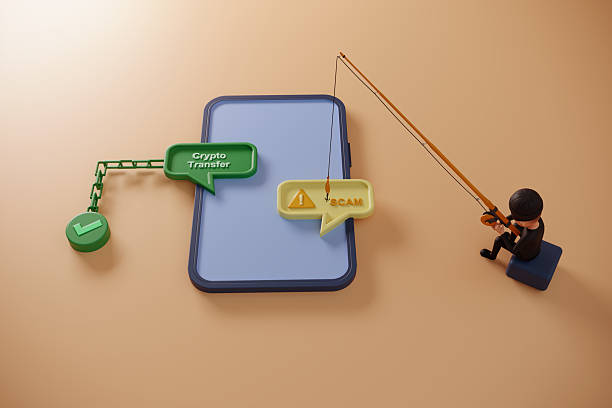
The Slow-Burn Romance Scam: How Catfishers Build Trust Before They Take Your Money
Most catfishers use stolen photos and a ready-made identity. They may claim to be a widowed engineer working overseas, a military officer deployed abroad, a doctor with an international charity, or an oil rig worker who cannot take calls. The details are designed to explain why they cannot meet in person, why their schedule is odd, and why they need help with money transfers. They often move you off the dating site quickly. They say the app is unreliable or that they want privacy. Then they push you to text, WhatsApp, or another messaging service where there are fewer warnings and less monitoring.
The emotional hook is as important as the fake profile. Scammers use love bombing: constant attention, pet names, future plans, and promises to visit. They mirror your interests and agree with your opinions. They may send flowers, small gifts, or fake documents to prove their identity. Some create fake family members or coworkers who confirm their story. The goal is to make you feel special and certain. If you question them, they may act hurt. They might say you are the only person who understands them, or that everyone else has abandoned them. That guilt is a tool.
The first request is often small. They may ask you to receive a package, cash a check, or buy a gift card for a niece’s birthday. They may say their bank account is frozen and ask you to open an account for them. That is a test. If you agree, the requests grow. Soon it is a hospital bill, a customs fee, a lawyer’s retainer, or a plane ticket. They may ask for wire transfers, cryptocurrency, or gift card codes. Those payment methods are preferred because they are fast and hard to reverse. Once the money is gone, it is usually gone.
There are warning signs. The person refuses to video chat, or the video is always broken, blurry, or cut short. They cancel visits at the last minute. They claim to be overseas and unable to travel. They ask you to keep the relationship secret from friends and family. They pressure you to act quickly and get angry when you ask questions. They ask for money, gift cards, bank account details, or crypto. They may also ask you to forward money or packages, which can make you part of a money-laundering scheme. Any one of these signs is a reason to stop and verify.
Verification is simple, though awkward. Run a reverse image search on their photos. Ask for a live video call and watch for delays or mouth movements that do not match the words. Ask detailed questions about their hometown, job, or daily routine. Scammers often slip up when asked for specifics. Search their name, photos, and story with quotation marks. Check with the dating platform. Most important, do not send money to someone you have never met in person. No legitimate romance requires your retirement savings, your home equity, or your credit card. A real relationship can survive a delay. A scam cannot.
If you have already sent money, act quickly. Stop all contact. Call your bank and credit card companies. Ask if the transfer can be reversed or the card can be frozen. Report the scam to the Federal Trade Commission and the FBI’s Internet Crime Complaint Center. Contact your local police. Change your passwords, enable two-factor authentication, and check your credit reports for unauthorized accounts. Do not be embarrassed. These criminals are skilled liars who do this for a living. They target intelligent, caring people every day.
Scam Watch
Protect it before they take it.

The Phantom Refrigerator Compressor Scam
Fake Lottery and Sweepstakes Wins: Why You Never Pay to Collect a Prize