The Webcam Extortion Email: What to Do When a Stranger Threatens to Expose You
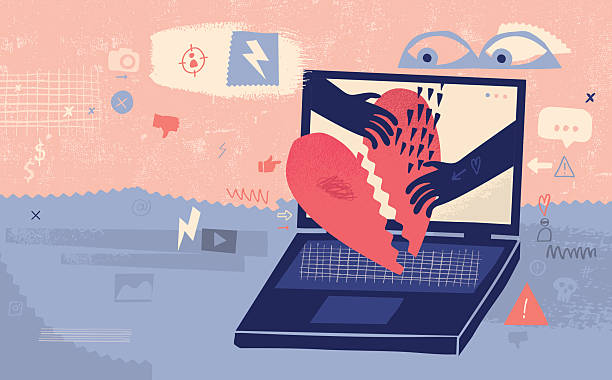
The old password trick is the most convincing part for many people. Scammers collect passwords from data breaches. They buy huge lists and send thousands of emails at once. If one password looks real, the victim assumes the whole threat is real. In most cases, it is not. A password appearing in an email does not mean your computer is infected or your webcam was activated. It means your information was in a breach somewhere. If the password is still active, change it now. If it is old, make sure you no longer use it anywhere.
Some messages claim malware has been on your device for months. They say they have full access, can see your screen, and have recorded embarrassing video. That is possible in rare cases, but mass extortion emails rarely prove it. Real malware can control a webcam, but scammers usually rely on bluff. They do not need a real video. They only need you to believe they have one. If they truly had compromising material, paying would not guarantee silence. It would only show that you are willing to pay. That makes you a better target.
Do not reply. Do not pay. Do not click links or open attachments. Do not send Bitcoin, gift cards, or wire transfers. These payment methods are favorites of criminals because they are hard to reverse. Instead, save the email as evidence. Take screenshots. Write down the sender address, any Bitcoin wallet address, and the time you received it. Then report it. The FBI’s Internet Crime Complaint Center accepts these reports. If the threat includes specific violence or someone has actually posted images, contact local police. If intimate images of a minor are involved, report to the National Center for Missing and Exploited Children.
Secure your accounts. Start with your email, because it can reset all your other passwords. Change the password to something long and unique. Enable two-factor authentication. Use an authenticator app or a security key when possible. Text message codes are better than nothing but can be intercepted. Change passwords for banking, social media, shopping, and cloud storage. Check a reputable breach notification service to see what information has been exposed. Run a full antivirus scan. Update your operating system and apps. Review email forwarding rules and recovery addresses; scammers sometimes add their own to keep access. Cover your webcam if it makes you feel better, but do not let fear convince you that a plastic slider is the main defense.
Extortion works through shame, urgency, and isolation. The scammer wants you to feel that no one can know. That secrecy gives the threat power. Tell someone you trust. You do not have to share every detail, but do not carry it alone. If the threat involves real intimate images you sent to someone, you are not to blame. Do not pay. Report the person to the platform, preserve the messages, and seek help from a victim advocacy group or attorney. Many states have laws against nonconsensual image sharing and sextortion.
If financial information was exposed, call your bank and credit card companies. Freeze your credit with the major bureaus. Consider a fraud alert. If a work email or device was involved, tell your employer’s IT or security team. If the scammer claims to know your location, your family, or your daily routine, remember that much of that data is public or was exposed in breaches. Do not confirm anything. Do not negotiate. Do not try to outsmart the sender. Engaging gives them information and encouragement.
The bottom line is simple. A threatening message demanding cryptocurrency to prevent embarrassment is almost always a bluff. Even when it is not, paying is the wrong move. It does not erase the material, stop the threat, or protect your reputation. It funds more crime. Take a breath. Secure your accounts. Save the evidence. Report the threat. Talk to someone. The fear is the weapon. Once you stop reacting in panic, you take most of that weapon away.
Scam Watch
Protect it before they take it.

The Sextortion Scam: Don’t Let Shame Cost You Thousands
Your Tax Refund Is a Bait: How Phishing Scams Steal Your Money