The “Wrong Number” Text: How Pig Butchering Scams Hook You
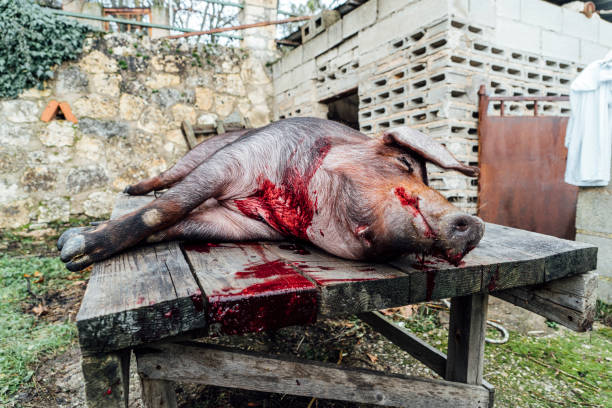
That innocent exchange is the first step into one of the most devastating financial scams today: pig butchering. The name comes from the way scammers “fatten up” their victims with trust and friendship before slaughtering their savings. And it almost always starts with a seemingly random wrong-number text.
Pig butchering is not a quick con. It is a long, calculated campaign that can last weeks or months. The scammers, often working out of organized crime compounds in Southeast Asia, pose as friendly strangers who gradually become romantic interests, mentors, or trusted friends. They share details about their imaginary lives, send photos, and eventually steer the conversation toward cryptocurrency investing. They claim to have made huge profits using a special trading platform or a secret “AI trading bot.” They offer to help you get in on it.
Here is where the trap snaps shut. The scammers guide you to register on a fake crypto exchange. The website looks professional, with charts, balances, and customer support. You deposit a small amount, say $100, and see it quickly grow to $150. You withdraw a little to confirm it works—and it does. That builds your confidence. Then the scammers push you to invest more, often asking for larger sums through bank transfers, gift cards, or direct crypto deposits. They will even lend you money or show you how to borrow against your home equity. All the while, the fake platform shows your balance skyrocketing. But when you try to cash out a large amount, you hit a wall. Withdrawals are “blocked” pending a tax payment, a security fee, or a minimum balance requirement. You pay more, but nothing comes. Eventually the scammers disappear, and the platform goes dark. Your money is gone—often tens or hundreds of thousands of dollars.
Why do people fall for it? Because the scammers are masters of social engineering. They study your interests, compliment your life, and create a sense of urgency. They tell you that a “limited-time opportunity” is about to close. They use real photos stolen from social media accounts of attractive people. They send voice notes and even video call with deepfake technology or hired actors. The relationship feels real, especially if you are lonely, recently divorced, or grieving. The scammer becomes your confidant.
Pig butchering targets middle-class Americans because they have savings, home equity, and retirement accounts that scammers can drain. The Federal Trade Commission reports that losses to romance scams involving crypto exceeded $1 billion in recent years, and the true number is likely higher because shame prevents many victims from reporting it.
How do you spot it before it is too late? First, no legitimate investment opportunity begins with a wrong-number text. If someone you have never met starts talking about crypto profits, treat it as a red flag. Second, real investment platforms do not ask you to pay surprise fees to withdraw your own money. Third, never send cryptocurrency to someone you have not met in person. Fourth, verify any trading platform using independent sources like the Securities and Exchange Commission’s database of registered exchanges. If the platform is not listed, it is a scam.
The best defense is skepticism. Scammers rely on the fact that most people want to believe in a lucky break or a new friendship. The truth is, if a stranger offers you a surefire way to make money, they are the one who will profit—from you. If you receive a wrong-number text, do not reply. Block the number and report it to the Federal Trade Commission at ReportFraud.ftc.gov. That simple action can save you from being fattened up and butchered.
Scam Watch
Protect it before they take it.

How to Spot a Dishonest Mortgage Broker Before You Sign

The Half-Down Handshake: Why Paying a Contractor Upfront Is a Losing Bet