Ticket Speculative Listing Before On-Sale Date
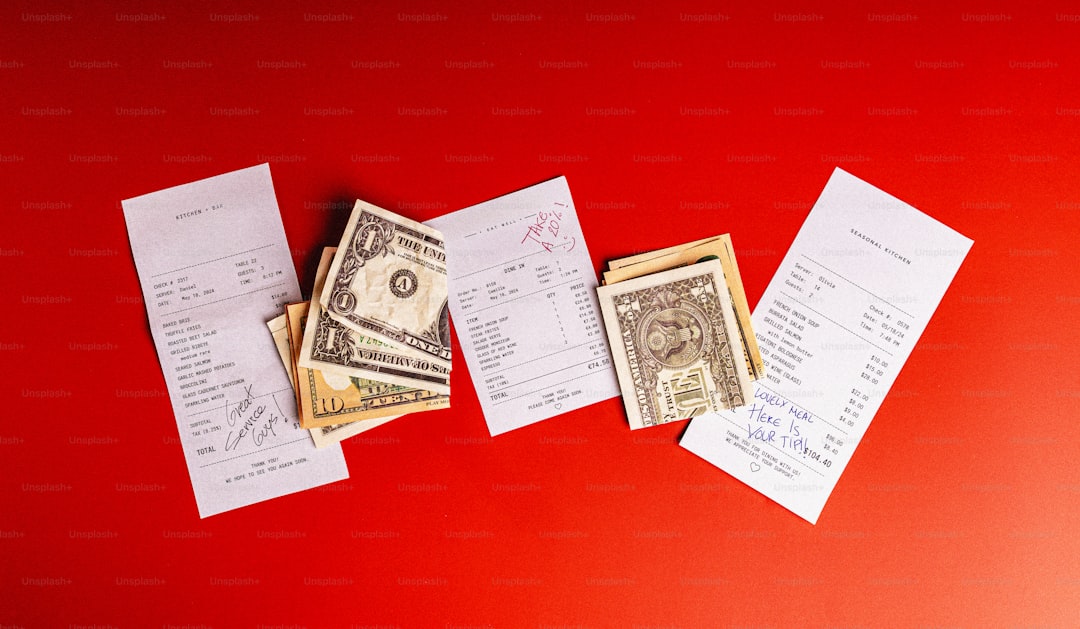
The first red flag is a listing that appears days or even weeks before the primary on-sale. If a show’s official tickets are not released until Friday at 10 a.m., and a website is already selling “pre-sale” seats on Tuesday, you are looking at a speculative listing. Unreputable brokers gamble that they can buy those seats later at a lower price and pocket the difference. If they fail—because demand surges, prices spike, or the event sells out instantly—you may get a refund only after the event passes, or worse, a credit that is useless. In some cases, the seller simply disappears with your money.
These bad actors often mimic trusted platforms. They might use fake domain names that include the venue name or artist’s name in the URL, or they create pressure with pop-up messages like “Only 3 seats left at this price!” when actual inventory is zero. Because they are not holding inventory, they have every incentive to oversell: they can accept hundreds of payments for the same imaginary section. The Federal Trade Commission has warned that speculative ticket listings violate consumer protection laws if the seller does not clearly disclose that tickets are not yet in hand. Yet enforcement is spotty, and many middle-class consumers learn the hard way.
Another telltale sign is vague terms of service. Reliable ticket brokers list specific seat locations, transfer timelines, and refund policies. Unreputable providers bury disclaimers like “tickets may not be available until 72 hours before event” or “we reserve the right to substitute with comparable or lesser seats.” The phrase “comparable or lesser” is a bright red flag. It means they can give you worse seats than promised, or even no seats, with no legal recourse. Always check the “About Us” or “Terms” page. If it lacks a physical address, a phone number, or mentions speculative sourcing, walk away.
Payment methods also reveal character. Good providers accept credit cards, which offer chargeback protections. Bad actors push for wire transfers, prepaid debit cards, Venmo, Cash App, or cryptocurrency. Once that money leaves your bank account or credit card system, you have zero ability to reverse it. The same advice applies to mortgage and insurance brokering: if a service provider demands non-traceable payments, they are likely running a scam. For ticket speculation, this is the final confirmation that the seller has no intention of delivering.
How do you protect yourself? First, never buy tickets from a site you have not vetted. Use official primary sellers only—Ticketmaster, AXS, or venue box offices. If you must use a secondary market, stick to established platforms like StubHub or SeatGeek, which have buyer guarantees. Even there, avoid listings that appear before the official on-sale date. Major platforms now label such listings as “pre-sale” or “speculative” and often hold your payment until the ticket is transferred. But smaller, independent sites may not offer this protection.
Second, verify the seller’s reputation. Look for reviews on the Better Business Bureau, Trustpilot, or consumer complaint boards. Be skeptical of five-star reviews that read like generic advertising. Real complaints from middle-class consumers often mention “never received tickets,” “wrong seats,” or “refund denied.” Search the company name plus “scam” or “complaint” to see if others have been burned.
Finally, trust your gut. If a deal sounds too good—front-row seats for a sold-out show at face value before on-sale—it is almost certainly a speculative listing. Unreputable service providers prey on urgency and hope. In the world of ticket, mortgage, and insurance brokering, the rule is the same: a legitimate broker does not sell what they do not hold. So wait for the official on-sale. Buy only from verified sources. And report any suspicious speculative listings to the FTC or your state attorney general. The cost of a bad ticket is not just money—it is lost time, disappointment, and the bitter lesson that someone counted on your trust to take advantage of you.
Scam Watch
Protect it before they take it.

Refrigerator Compressor Sealed System Overpayment
Cash Back Bonus Deadline Elimination Traps