When Your “Investment Advisor” Is a Deepfake: The New Face of Pig Butchering
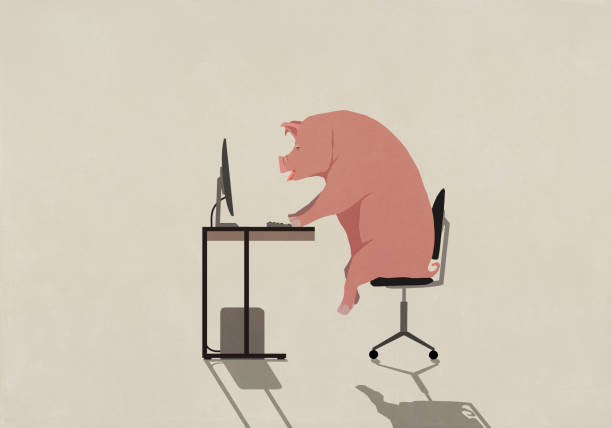
That old story is bad enough. But scammers are now using a terrifying new tool to make it far more believable: deepfake video calls. Instead of just texting or sending photos, they will call you on Zoom, WhatsApp, or FaceTime using a live, AI-generated video of a real-looking person. The face moves naturally. The lips sync to the voice. They smile, nod, and gesture. They look like a young professional, a handsome man, or a trustworthy woman. And they are completely fake.
Here is how it works. The scammer obtains a handful of photos or a short video clip of someone—often stolen from social media or purchased from a deepfake service. Using software that costs as little as a few hundred dollars a month, they animate that face in real time, tracking their own voice and facial expressions. When they call you, you see a person who appears to be live, speaking directly to you. They can answer questions, laugh, even express concern. The technology is now good enough that many victims never suspect the person on the screen is a digital puppet.
Why does this matter? Because for years, experts have advised older Americans to “insist on a video call” to verify a stranger before sending money. That advice no longer works. The scammers have adapted. They will happily schedule a video chat, show you their “face,“ and build your trust in real time. They might even show you a fake driver’s license or passport during the call. And because the technology is improving faster than most people realize, the deepfake may look flawless even on a high-resolution screen.
The typical pig butchering scam using deepfakes targets people between 45 and 64—exactly the demographic that has some retirement savings, is comfortable using smartphones and video apps, but may not be up to date on the latest AI tricks. The scammer usually starts on a dating app, a social media platform, or a hobby forum. They groom you over days or weeks, then shift to a messaging app like Telegram or WhatsApp for “privacy.“ They propose a crypto investment opportunity, often claiming insider knowledge or a “bug” in a trading platform. They offer to walk you through the process step by step, including the video call to “prove they are real.“
Once you transfer your money—usually to a wallet controlled by the scammer, not a legitimate exchange—it is gone within minutes. The cryptocurrency is laundered through mixers and shell accounts. Law enforcement can rarely trace it. The FBI reports that losses from investment scams, including pig butchering, reached over $4.5 billion in 2023 alone. Deepfakes are making these numbers worse.
So how do you protect yourself? First, assume that any person you have never met in real life who asks you to invest in cryptocurrency is a scammer—even if they appear on a video call. A live face is no longer proof of identity. Second, never download a screen-sharing app or “trading platform” from a link someone sends you. Legitimate crypto exchanges like Coinbase, Kraken, or Binance have official apps in the app store. Use only those. Third, verify the person by other means: ask them to hold up a specific object or make a specific gesture on the video call. Deepfake software struggles with real-time, unpredicted actions, especially if you ask them to turn their head sharply or touch their nose. Fourth, talk to someone you trust before making any investment. Scammers rely on isolating you and creating a sense of urgency. A second opinion can break the spell.
Finally, remember the golden rule of investing: if the return sounds too good to be true, it is. No legitimate investment guarantees daily 10% profits. No real platform charges a fee to withdraw your own money. And no genuine advisor pressures you to keep it secret. Pig butchering scammers are patient, professional, and now technologically sophisticated. They are counting on you to believe your own eyes. Do not let them. The only safe investment is the one you research yourself, through channels you control, without a stranger in your pocket—deepfake or not.
Scam Watch
Protect it before they take it.


The Gift Card Drain: How Thieves Steal Your Money Before You Even Give It Away
Why the Post Office Won't Text You Links