Gas Pump Skimmers: How Thieves Steal Your Credit Card Numbers and Rewards Points
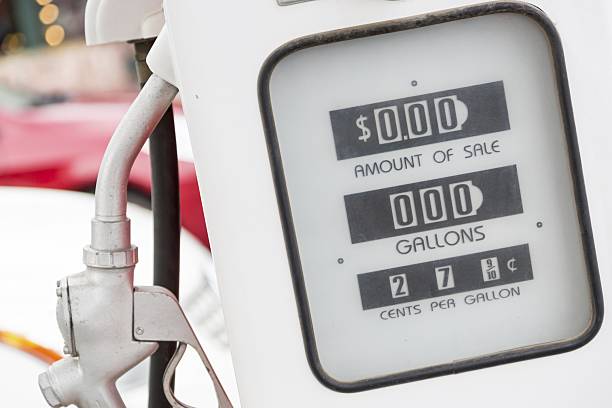
Skimmers work by slipping into the card reader slot of a gas pump, often installed over the factory‑installed reader. They are thin, custom‑molded plastic overlays with their own read head and a hidden recording chip. Some even include a tiny camera or a fake keypad overlay to capture your PIN. Because gas pumps are outdoors and unattended for long stretches, they are a prime target. A thief can open a pump with a master key bought online, install a skimmer in under a minute, and leave it there for days or weeks collecting data from hundreds of customers.
Once the thieves download that data, they encode it onto blank cards with magnetic stripes. They can then use those cloned cards at ATMs, stores, or anywhere else that still swipes. But here is where the second part of the scam hits you: many thieves also use the stolen card numbers to log into your credit card rewards account. Because too many people reuse passwords or keep default PINs, it is routine for criminals to try the last four digits of your Social Security number or your birthdate as the PIN. Once inside, they redeem your points for gift cards, merchandise, or even cash back. Those points took months of spending to build up, and they vanish in minutes.
You might think, “I use a chip reader, not a swipe, so I am safe.” Unfortunately, that is not true. Many gas pumps still require you to swipe at the pump because the chip‑reading hardware is more expensive to retrofit. Even newer pumps that accept chip cards can be compromised with an overlay skimmer that intercepts the chip’s data before it is encrypted. And if the pump has a tap‑to‑pay feature, thieves sometimes install a fake contactless reader that can steal your card’s information from a few inches away. Nothing is foolproof.
How do you spot a skimmer? Look for obvious signs. If the card reader feels loose, wobbly, or sticks out farther than it should, do not use it. Compare the reader on your pump to the one next to it—if they look different, something is wrong. Check the keypad. If the numbers are hard to press, or if the plastic overlay appears thicker than normal, that could be a fake. Some skimmers have a tiny pinhole camera aimed at the keypad, often hidden in a seam or a sticker. If you see a small lens, walk away. Also, avoid pumps that are farthest from the store entrance or in poor lighting; thieves prefer those because they are less likely to be noticed during installation.
You should also change how you pay. Use a credit card instead of a debit card whenever possible. Credit cards have stronger fraud protections under federal law, and a stolen debit card can drain your checking account and leave you unable to pay bills while the bank investigates. Better yet, use the gas station’s app or pay inside with cash or a chip‑enabled card. If you must swipe at the pump, use the same pump every time at a station you trust, and give the reader a quick tug before inserting your card.
Monitor your accounts regularly, not just monthly. Check your credit card transactions and rewards balances at least once a week. Set up alerts on your phone for any purchase over a certain amount—say $50—so you get a text or email the moment a charge hits. If you see a small test charge, like a dollar or two at a convenience store you never visited, that is a red flag. Thieves often test cloned cards with tiny amounts before going big.
If you discover your card has been skimmed or your points stolen, report it immediately. Call your credit card issuer and the rewards program. Request a new card with a new number. Change your online account password and PIN. File a police report, even if the amount seems small. Many local police departments have digital forensic tools to examine pumps, and your report could help catch the thief. Also, check your credit reports for any new accounts opened in your name—skimmers sometimes sell your data to identity thieves.
This is not an exotic crime. Skimmers hit every state, every income bracket. But middle‑class consumers between 45 and 64 are especially vulnerable because they tend to have higher credit limits, better rewards points, and less time to monitor every transaction. Do not assume the gas station or the bank will catch it first. You are your own best defense. Look at the pump, pull on the reader, and pay inside when you can. Those few extra seconds are worth keeping your money and your points where they belong.
Scam Watch
Protect it before they take it.

The Diagnostic Fee Scam: When Paying for a Look-Seen Costs You a Fortune
Debt Relief Scams: How to Spot Promises That Make Debt Worse