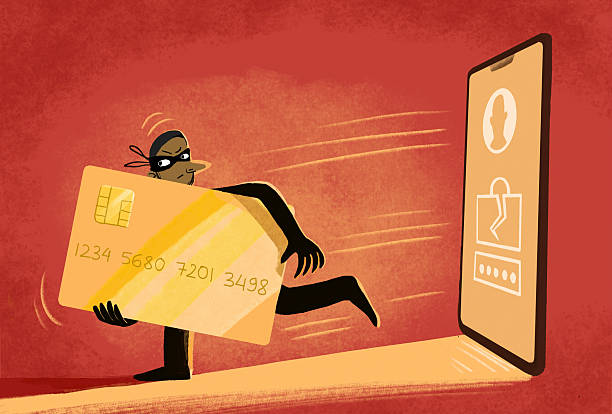
Tax Payment Scams Demanding iTunes Cards
The typical script goes like this: a caller identifies himself as an IRS agent, often with a heavy accent and a fake badge number. He tells you that you owe thousands of dollars in unpaid taxes and that a warrant for your arrest has been issued. The only way to stop the arrest and avoid a lawsuit, he insists, is to pay immediately. But here is the twist: the IRS, he explains, now accepts payments via iTunes gift cards. You are instructed to drive to the nearest store—a pharmacy, Walmart, or grocery outlet—buy specific dollar amounts of iTunes cards, scratch off the silver coating on the back to reveal the redemption code, and read the digits aloud over the phone. Once you provide those codes, the money is gone. The scammer can either sell the codes online or use them to buy goods that are quickly converted to cash. There is no way to reverse the transaction.
Why do scammers demand iTunes cards? Because they are nearly anonymous, easily transferable, and almost impossible to trace after the codes are used. The same reason they ask for Google Play or Amazon gift cards. The IRS does not accept any form of prepaid gift card as payment for taxes. Never has, never will. The IRS sends official written correspondence via U.S. mail. They do not call you out of the blue and demand cash on a prepaid card. If you owe money, you receive a letter with detailed instructions for paying by check, electronic transfer, or credit card through official government portals.
These scams often escalate when the victim hesitates. The caller might put a “supervisor” on the line who sounds even more aggressive. They may threaten to send local police to your home, seize your bank accounts, or even cancel your Social Security benefits. Some scammers spoof the actual IRS phone number on your caller ID to make it seem legitimate. They may know your name, address, and partial Social Security number, harvested from earlier data breaches. All of these tactics are designed to keep you talking and keep your fear high so you comply without thinking.
If you fall for this, the financial damage is immediate and total. The average loss reported to the Federal Trade Commission is often in the hundreds to low thousands of dollars, but some victims have handed over tens of thousands. And the emotional toll is severe. People feel embarrassed, ashamed, and powerless once they realize they have been tricked. Many do not report it to authorities because they are too humiliated. That is exactly what the scammers count on.
What can you do to protect yourself? Hang up immediately. Do not engage, argue, or try to reason with the caller. Do not call back any number they give you. If you are worried you might actually owe the IRS, look up the official IRS phone number from their website or a phone book and call them directly. The real IRS will treat you professionally. Report the scam to the Federal Trade Commission at ReportFraud.ftc.gov. Also report it to the Internet Crime Complaint Center (IC3) and your local police department. Tell your friends and family. Many victims are targeted after a scammer calls a neighbor first and that person warns them, but by then it is too late.
The most important lesson is that any demand for payment via prepaid gift cards from a government agency, utility company, or tech support outfit is a 100% guaranteed scam. No legitimate business or government entity requires iTunes cards for payment. If someone on the phone tells you to go buy a gift card and read the code back, you are talking to a criminal. Keep your wallet closed and your wits about you. And if someone you know who is sixty-five years old gets a call like this, step in and tell them to hang up. This is not about being rude or suspicious—it is about survival in a world where con artists are more creative and ruthless than ever.
Scam Watch
Protect it before they take it.

Why a "DocuSign" Request Might Empty Your Account
The Long Game: How Romance Scammers Build Trust Before They Take Your Money