The “Unusual Sign-In Attempt” Email Is a Lie

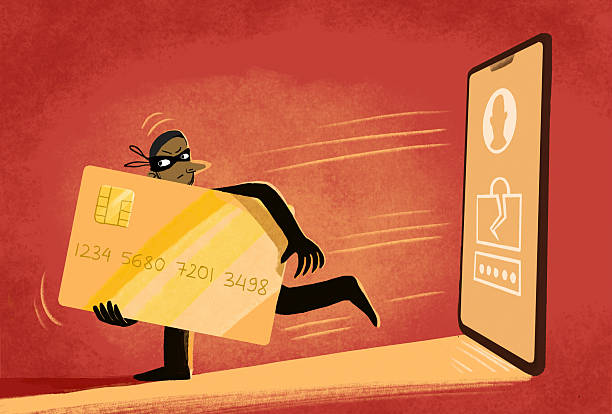
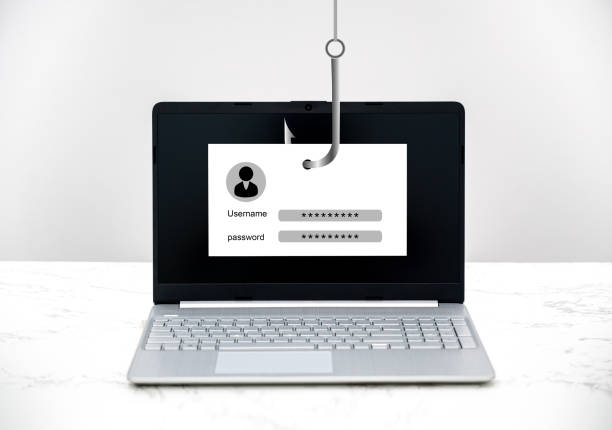
Here is what actually happens. The email you are looking at is not from any legitimate company. It is a forged message that has been crafted to look exactly like an official security alert. The sender name might say “Microsoft Account Team” or “Chase Fraud Department.“ But if you hover your mouse over that name, the actual email address will be something like `security-alert@mail.delivery-now.ru` or `service@chaseonline-verification.xyz`. The scammers have bought that domain for three dollars. They have copied the logos and the color scheme from the real company. They have even gotten the wording close enough to pass a quick glance. The button in the email – the one that says “Verify Your Identity” or “Review Activity” – takes you not to the real login page but to a fake one. That fake page looks perfect. It has the same fields, same layout, same little lock icon in the browser bar. The only difference is that page belongs to the scammers. When you type your email address and password, you are handing them over to criminals. They will then log into the real account within minutes, change your password, lock you out, and start draining your savings or sending phishing emails to everyone you know.
Why does this continue to work on otherwise smart people? Because the message does not ask for money directly. It asks for a simple security check. It creates urgency. It implies that your account is compromised right this second. And it offers a clear, easy solution. That is the entire trick. The scammers are not trying to be clever. They are trying to push you past your normal caution by making you feel like you have no time to think. You have time. You always have time.
Let us be blunt about the red flags. First, no legitimate company will ever send you an email demanding that you click a link to resolve a security problem. They might send an alert, sure, but they will tell you to open your browser, go directly to their website, and log in from there. They will not put a big button in the email. Second, look at the greeting. A real security alert will usually address you by name. The fake one often says “Dear Customer” or “Dear Microsoft User” because the scammers sent this to millions of people at once. Third, read the language. There will be something slightly off – a missing article, a strange word choice, an overuse of “kindly” or “please verify immediately.“ These are written by non-native speakers, and they have succeeded because of psychology, not grammar. Fourth, and most important, check the actual link before you click. Hover over it without clicking. If the supposed Microsoft URL contains numbers in place of letters, like `m1crosoft.com`, or an extra word like `microsoft.security-login.com`, it is a fake. Legitimate domains do not look like that.
What should you do when you see this email? Do not click anything. Do not reply. Do not forward it to your spouse or your coworker, because they might panic and click. Delete it. If you are still worried, open a new browser tab, type the company’s website address yourself, and log in normally. Check your account activity through the official dashboard. Call the number on the back of your credit card or the customer support number listed on the company’s real website. They can tell you in two minutes whether there was ever any suspicious sign-in attempt. Ninety-nine times out of a hundred, there was not. You are safe. The email was garbage.
But here is the part that gets people in your age group specifically. The scammers are not just going after your Microsoft account. They use this same template for your bank, your credit union, your health insurance provider, your electric utility, and even your streaming service. Every account you possess is a target. And the stakes are higher for you because you have built up real assets over decades. You have a 401(k) or an IRA. You have equity in your home. You have a social security number that is tied to all of it. If you fall for one of these fake sign-in attempts, you are not just losing a few hundred dollars from a side account. You could lose your entire retirement savings, or you could end up with a fraudulent loan taken out in your name. The damage takes months or years to repair.
The simple rule to repeat to yourself is this: nobody legitimate will ever ask you to log in from an email link. Nobody. Not your bank. Not Microsoft. Not the government. If you get an email that tells you to act immediately, you can be absolutely certain it is a scam. Real security alerts from real companies will still be there tomorrow. They will not lock your account because you took a day to respond. They have fraud departments that can verify everything. The scammers, on the other hand, are working against the clock. Every minute you wait, they have to find the next victim. The worst thing you can do to them is nothing. Delete the email. Get on with your Sunday. And tell your neighbors to do the same.
Scam Watch
Protect it before they take it.

Synthetic Identity Theft: When Scammers Build a Fake Person From Your Real Data