#Title Washing: The Used Car Scam That Can Turn Your Purchase Into a Legal Nightmare
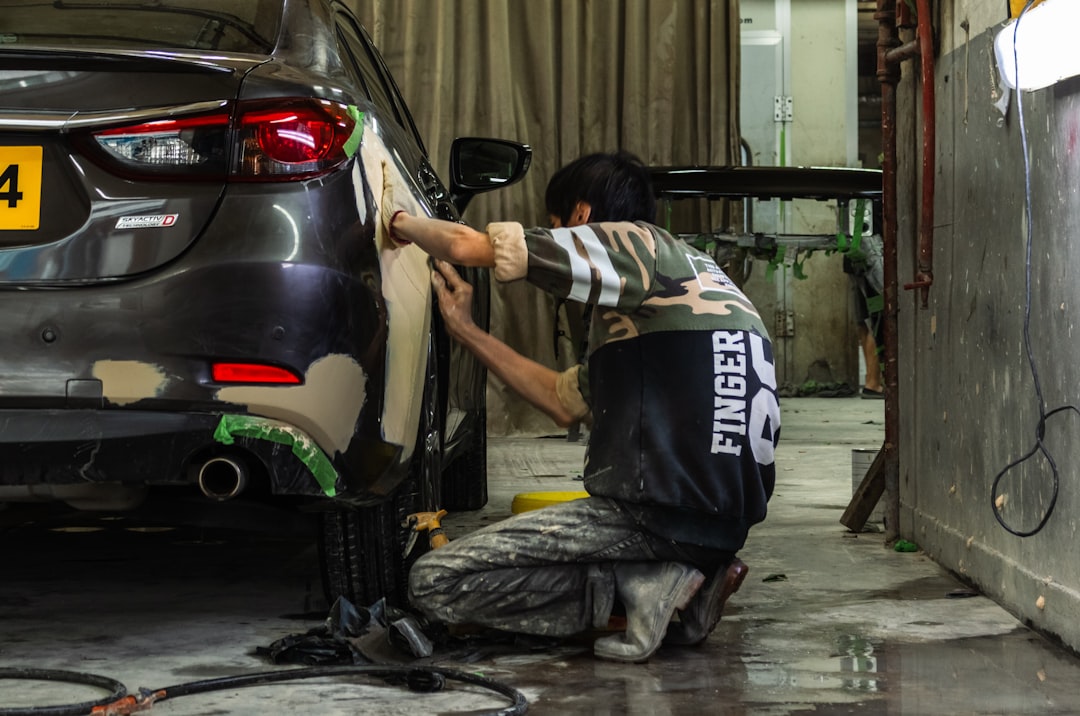
Here is how it works. When a car is severely damaged and the repair costs exceed its value, the insurance company gives it a salvage title. That title stays on the vehicle’s record permanently in most states. You can repair it, but you also have to disclose that history to any buyer. That transparency cuts the car’s value by as much as half. So unscrupulous sellers look for ways to erase that red flag. They might take the car to a state with lax reporting laws, get a new title through a loophole, or forge a signature on a forged bill of sale. Sometimes they simply use a friend or family member’s address in another state to re-register the car. The result is a clean-looking title with no mention of the flood, the fire, or the head-on collision that nearly split the frame in two.
Why should you care? Beyond the obvious waste of money—paying full market value for a car that is worth a fraction of that—there is a serious safety issue. A salvage title often means the car had extensive body damage that weakened the crumple zones. Repairs are done cheaply, sometimes with used parts from another damaged car. The airbags might not deploy. The frame might not align. You are driving a ticking bomb that can fail in a crash. And then there is the legal mess. If you later want to sell the car, you will be liable for misrepresenting it, even if you had no idea. Insurers can void your policy because the vehicle’s history was not disclosed. You lose money, you lose time, and you could lose your insurance coverage.
So how do you spot a washed title before you hand over the cash? First, do not rely on the dealer’s free Carfax report alone. Buy your own report from a company like Carfax or AutoCheck. Look beyond the clean summary. Check the vehicle’s title history across multiple states. If you see even one title issue—a rebuilt status, a salvage brand, or a gap in history—walk away. Second, get the car inspected by an independent mechanic you trust. Have them look for signs of repainting, mismatched panels, weld marks on the frame, or water stains in the trunk. These are telltale clues. Third, run the VIN through the National Insurance Crime Bureau’s free VINCheck database. That will show if the car has ever been reported as stolen or totaled.
Do not ignore the small details. Look at the title document itself. Check for any erasures, white-out, or printing that looks oddly arranged. Compare the VIN on the title to the VIN on the dashboard and door jam. They must match exactly. If the seller gives you a reason why the title looks odd or says they do not have the physical title in hand, that is a red flag. A legitimate seller hands you a clear title on the spot.
Finally, be realistic. If the price of a three-year-old SUV is 30 percent below what every other dealer is asking, there is a reason. That reason is usually bad. No one gives you a deal out of kindness. They give you a deal because they know the car is a liability. Walk into the dealership with your guard up and your research done. Ask direct questions. Require written guarantees. A reputable seller will not avoid your questions about title history. A bad one will change the subject. You do not have to be paranoid, but you do have to be smart. Title washing is not some rare, obscure crime. It happens every single day. Make sure it does not happen to you.
Scam Watch
Protect it before they take it.

Barcode Swapping at Self-Checkout
Promissory Note Real Estate Fund Defaults