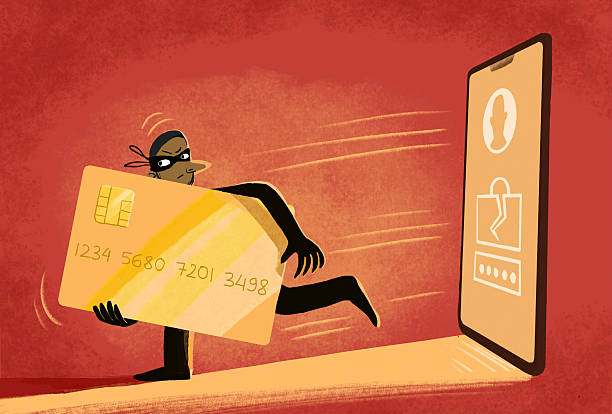
The Fake Rental Listing Scam: How to Spot a Phantom Property Before You Lose Your Deposit

This is the phantom rental scam, and it is one of the most common real estate ripoffs hitting middle-class Americans today. Scammers do not need a key or a lease. They only need a fake address, a few stolen photos from a real real estate listing, and a story that explains why they cannot meet you in person. The Federal Trade Commission reports that rental listing fraud costs victims an average of more than one thousand dollars per incident. For people aged forty-five to sixty-four, the stakes are especially high because you may be managing a move for a job relocation, downsizing for retirement, or helping an adult child find an apartment. The pressure to act fast makes you a prime target.
How do these scams work? The script is nearly identical every time. The scammer posts a rental on Craigslist, Facebook Marketplace, Zillow, or a local classified site. The photos look professional, often lifted from a legitimate listing of a house that was for sale or rent years ago. The price is too good to be true, but the scammer has a ready excuse: the owner is a missionary overseas, a military member deployed, or a landlord who just wants a quiet tenant and is willing to accept less rent in exchange for someone who will take care of the place. They insist on urgency. Another family is looking, and if you delay, you will lose the deal.
The next step is the money request. They will not let you tour the property. The reason varies: the keys are with a property manager who is out of town, the current tenant is still living there and does not want showings, or the unit needs to be cleaned. They promise that once you send the deposit, they will mail you the keys or arrange for you to pick them up. But the keys never come. The scammer collects as many deposits as possible from desperate renters, then vanishes.
What makes this scam so effective is that it plays on your trusting nature. You have probably rented before, and you know that standard procedure involves a credit check, a signed lease, and a face-to-face meeting. The scammer skips all of that. They may send a fake lease document with your name typed in, or they may email a photo of a driver’s license that belongs to someone else. They might even give you the address of a real empty house that is listed for sale, and you drive by, see a For Sale sign, and assume the landlord’s story checks out. You do not realize that the person you are talking to has no legal connection to that house.
To protect yourself, adopt a simple rule: never send money for a rental you have not walked through. If the landlord cannot meet you in person, do not rent from them. Period. Even a video tour can be faked using a walkthrough video from a different property. Insist on a live video call where you see the landlord inside the actual unit, opening a door that matches the listing, showing you a mailbox with the address, or pointing to a unique feature like a crack in the ceiling. If they refuse, walk away.
Check public property records. Most counties have an online tax assessor database where you can search the owner of record. If the owner’s name does not match the person you are emailing, that is a giant red flag. Also, search the address online. If the same property appears in multiple listings with different prices or different landlords, it is likely a scam. Do a reverse image search on the photos using Google Images. Scammers reuse pictures from legitimate listings all the time.
Beware of payment methods that cannot be reversed. Wire transfers, cashier’s checks, money orders, and prepaid debit cards like Green Dot are the scammers’ favorites because once the money is sent, you cannot get it back. A legitimate landlord will take a personal check or a credit card, which offer some fraud protection. If the only option is a wire transfer or a gift card, stop communicating immediately.
Another tell is poor grammar and odd phrasing in emails or texts. Scammers often operate from overseas, and their English may have strange capitalization, tense errors, or awkward sentence structure. Do not ignore these clues. Trust your gut. If something feels off, it probably is.
Finally, do not let the pressure of a tight housing market force you into a bad decision. Scammers count on you being desperate. Take your time. Verify everything. Talk to neighbors at the address if you can. Knock on the door of the property and ask if it is for rent. Unlikely they will answer, but the effort may save you a thousand dollars.
Phantom rental scams are not going away. They evolve with the market. As long as people need housing and are willing to trust a stranger with their money, the scam will persist. But you can outsmart it by staying skeptical, verifying the facts, and never paying for a property you have not set foot inside. Your deposit belongs in your bank account, not in a scammer’s pocket.
Scam Watch
Protect it before they take it.


The “Unusual Sign-In Attempt” Email Is a Lie